§ THE RECORD · 2 MIN READ
Black Wall Street's Second Act
Greenwood was burned in 1921. What Tulsa's Black community did next is one of the great rebuilding stories in American history, and it is the half with the instructions in it.

By Culture
THE SHORT VERSION
After a white mob destroyed thirty five blocks of the Greenwood district in Tulsa in 1921, insurance companies refused the claims and the city tried to rezone the land away from survivors. Greenwood's residents rebuilt it themselves, beat the rezoning in court with lawyers from their own community, and by 1925 the district hosted the National Negro Business League's national conference.
Most tellings of Black Wall Street stop at the fire. In 1921, the Greenwood district of Tulsa, thirty five blocks of Black-owned hotels, theaters, groceries, law offices, and homes, was burned to the ground by a white mob. That part you may know, and it should be known.
But the story has a second act, and the second act is the one with instructions in it.
They Rebuilt It
Insurance companies refused the claims. The city tried to rezone the land out from under the survivors. Greenwood's people rebuilt anyway, with their own hands, their own savings, and lawyers from their own community who beat the rezoning in court.
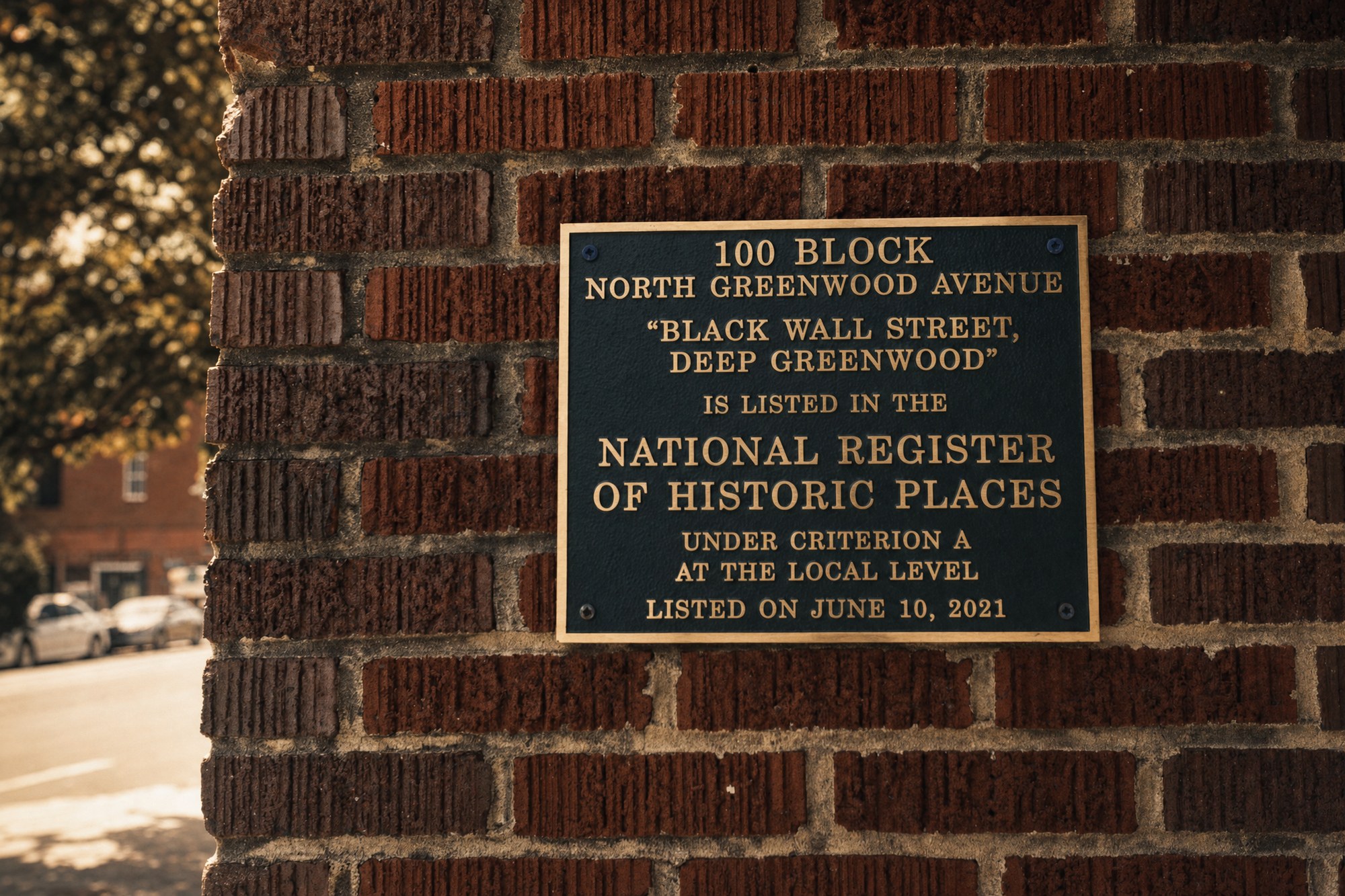
Four years after the ashes, in 1925, Greenwood hosted the national conference of the National Negro Business League, the country's leading Black business organization, meeting in the district that was supposed to be gone. By the 1940s Greenwood was again a thriving commercial center.
“They didn't rebuild because it was safe. They rebuilt because it was theirs.”
Read the Instructions
Look closely at how they did it, because none of the tools were exotic.
Why We Tell It This Way
This magazine does not run from hard history, and it does not marinate in it either. The fire says what was done to a community. The rebuilding says what a community is capable of: organization, capital, law, and stubborn hope, all at once. That is the inheritance. Teach both halves, and lead with the one you can use.
That is also the argument the museum on the Mall makes for a living. A memorial holds the fire. A museum holds the whole record, including the receipts from 1925.
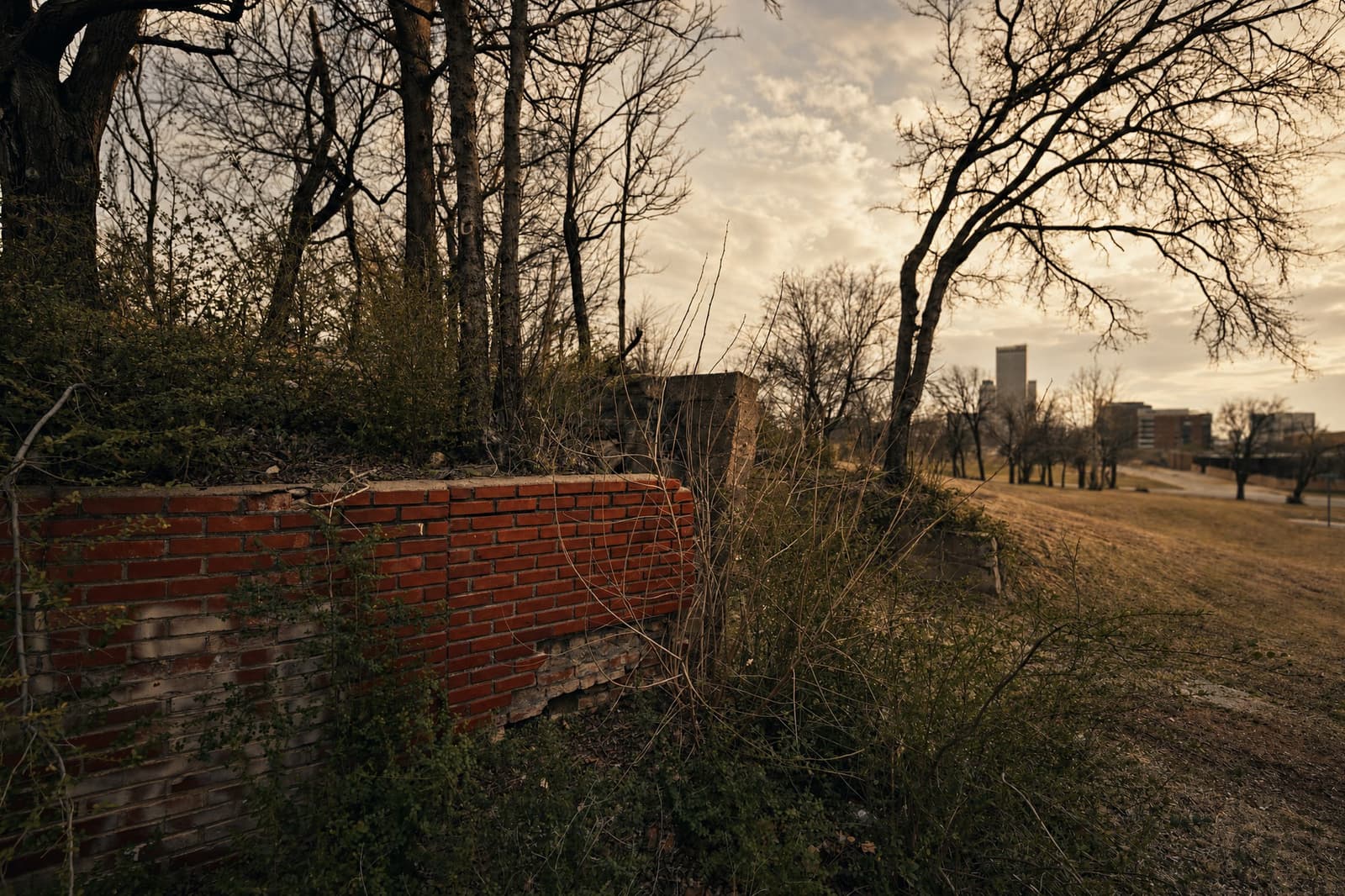
Cover photograph: Greenwood today. Photo: G. Edward Johnson, CC BY 4.0, via Wikimedia Commons. Edited by Culture.
- Did Greenwood get rebuilt after the 1921 Tulsa massacre?
- Yes. Greenwood's residents rebuilt the district with their own hands and savings after insurance companies refused the claims. By 1925 Greenwood hosted the National Negro Business League's national conference, and by the 1940s it was again a thriving business center.
- What was Black Wall Street?
- Black Wall Street was the Greenwood district of Tulsa, Oklahoma, about thirty five blocks of Black-owned hotels, theaters, groceries, law offices and homes. Its wealth came from money moving inside the district rather than leaving it.
- Why did insurance not pay for the Tulsa massacre?
- Insurance companies refused the claims, so Greenwood property owners were not paid for what was destroyed. The city also tried to rezone the district so survivors could not rebuild.
- How did Greenwood stop the rezoning?
- Greenwood's own lawyers beat the city's rezoning in court. The land stayed with the people who owned it.
- What was the National Negro Business League?
- The National Negro Business League was the country's leading Black business organization. In 1925 it held its national conference in Greenwood, four years after the district was burned.
- What can we learn from how Greenwood rebuilt?
- Greenwood rebuilt with tools that are still around: keeping money moving inside the community, banking with each other, using their own lawyers, and refusing to sell the land.