§ THE RECORD · 4 MIN READ
The Museum Turns Ten
Ten years ago a bronze crown rose on the National Mall and told the whole country: this history is your history. This month the family comes home to celebrate, and two of the biggest events are free.

By Culture
THE SHORT VERSION
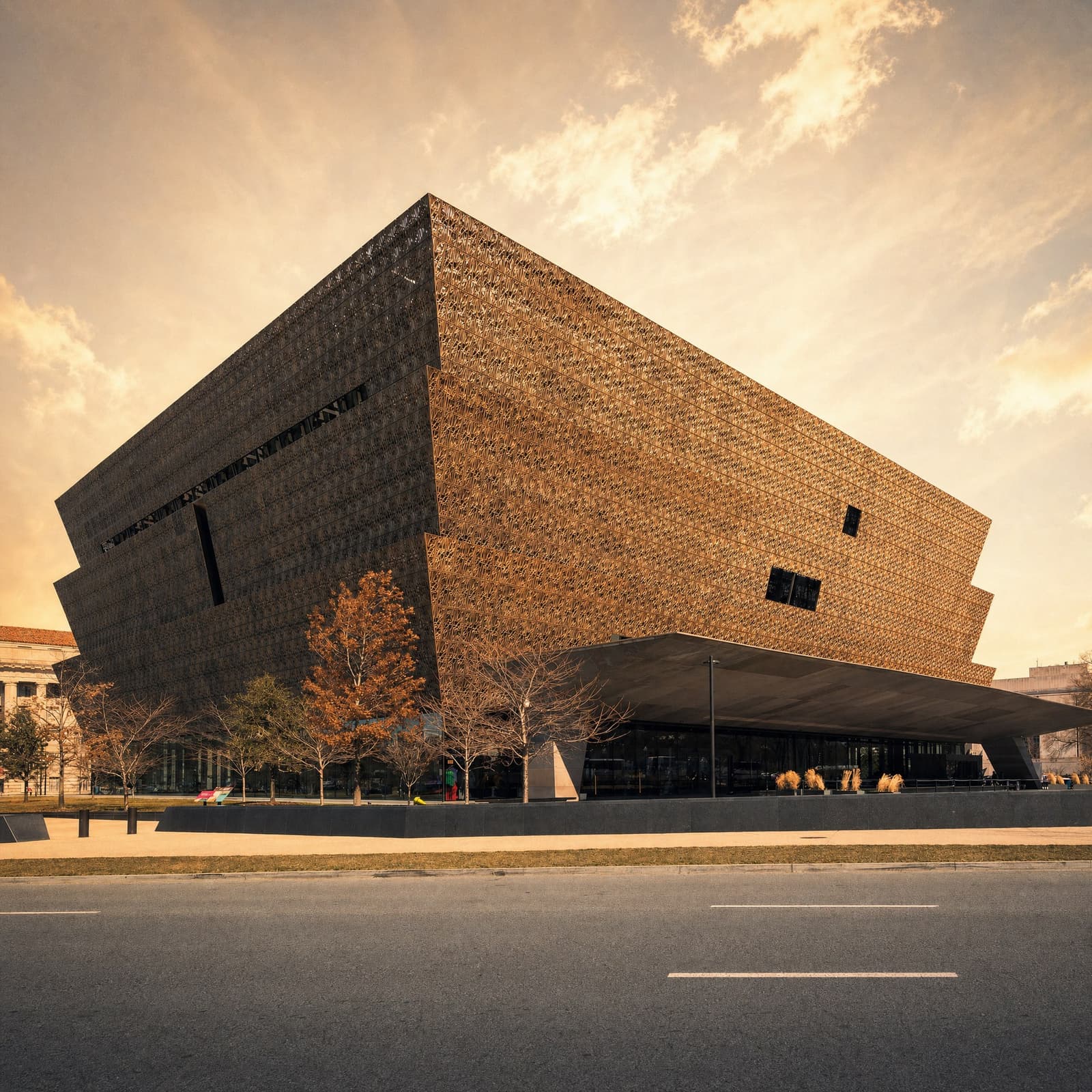
The National Museum of African American History and Culture opened on the National Mall on September 24, 2016 and turns ten in 2026. It marks the anniversary with a four-day homecoming, Welcome Home: Our Legacy Continues, running September 24 to 27, and two of the events are free with registration. Timed entry passes to the museum are always free.
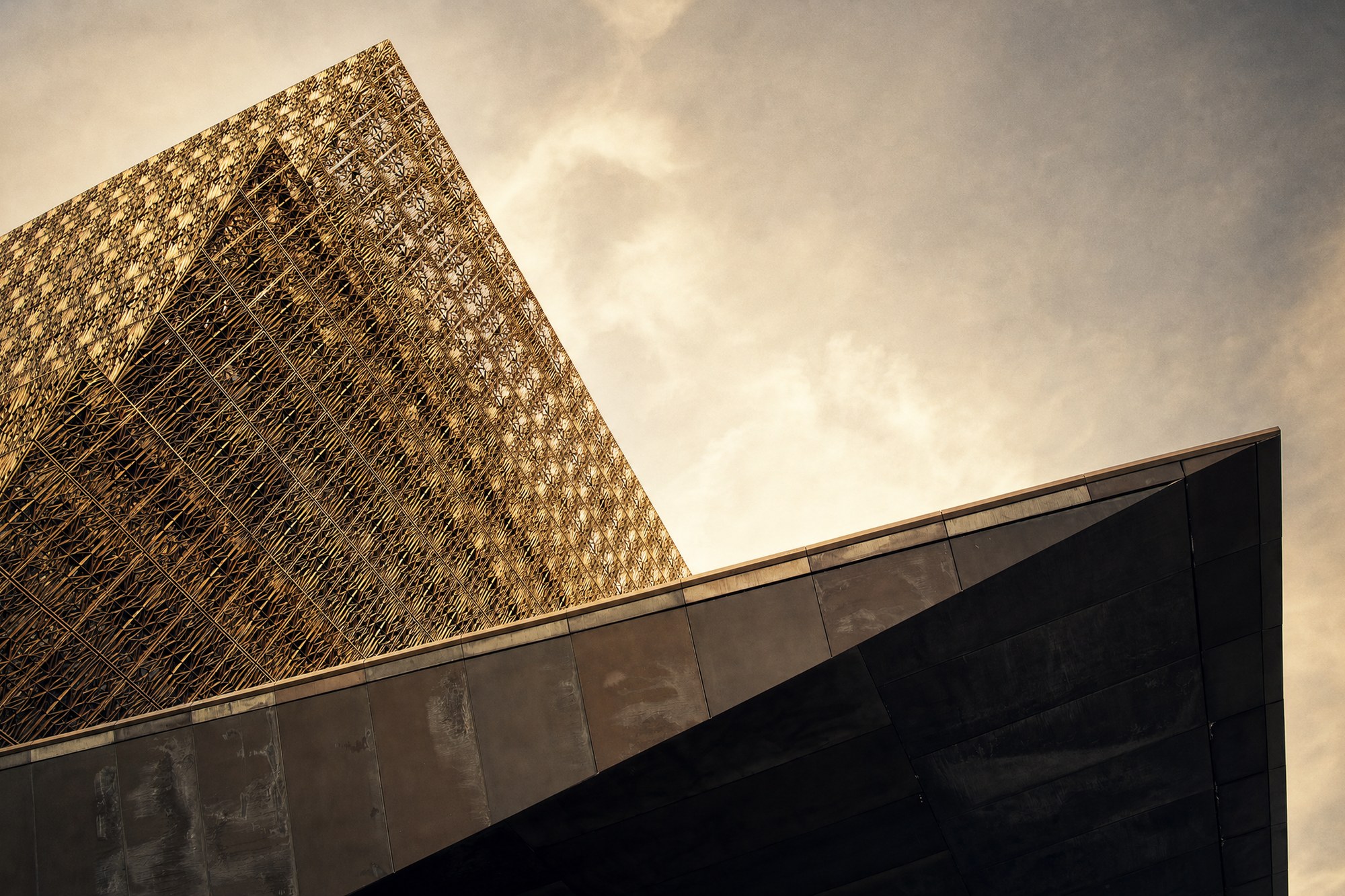
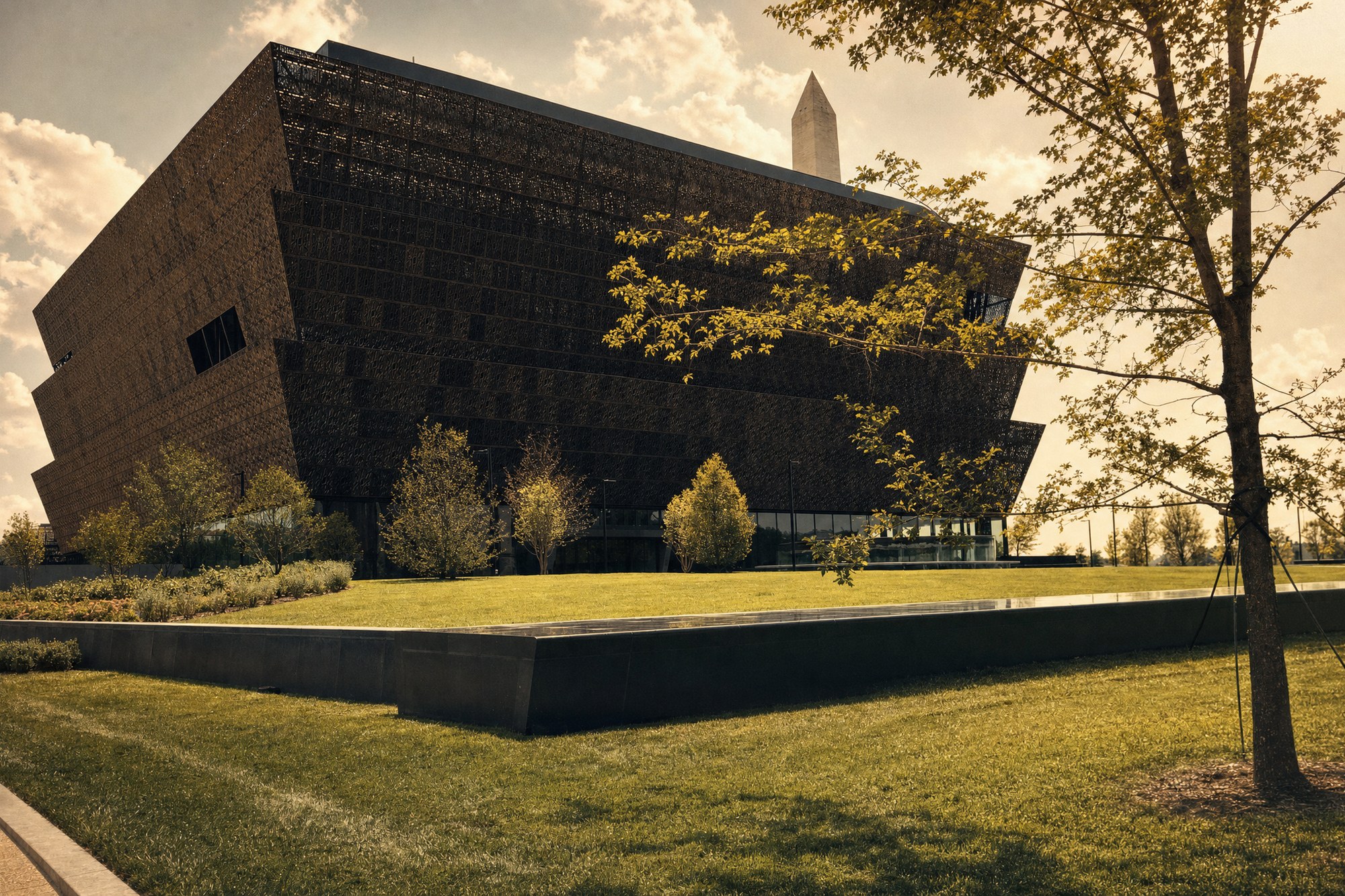
Stand on the National Mall and look for the building that does not look like the others. Every museum around it is white marble and columns. One of them is bronze, three tiers of latticework rising like a crown, glowing gold when the sun gets low. That is the National Museum of African American History and Culture. On September 24, 2026, it turns ten years old.
I want to tell you why that number matters, and then I want to tell you how to be there.
A Century of Asking
The idea is a hundred years older than the building. Black veterans of the Civil War asked for a national memorial in 1915. Congress said no, then said maybe, then said nothing, for decades. It took until 2003 for the law to pass, and until 2016 for the doors to open. The founding director, Lonnie G. Bunch III, started with no collection, no site, and no building. He built all three. Today he runs the entire Smithsonian.
On opening day, President Barack Obama rang a bell from a church founded by freed people. That bell, the museum said, was a signal to the whole country. Ten years later, the signal is still ringing.
What Ten Years Built
Here is the museum by the numbers, and every one of them is a person who chose to show up.
Read that middle number again. Forty five thousand objects. Most of them were donated by regular families who opened a closet, a trunk, an attic, and said: this belongs to everybody now.
“They did not build a museum about us. They built a museum out of us.”
The Homecoming
The anniversary weekend is called Welcome Home: Our Legacy Continues, and the museum is also calling it The Reunion. It runs September 24 through 27. Here is the schedule as the museum has announced it.
The Sweet Home Café inside the museum runs a special anniversary menu from September 25 to 27, put together by executive chef Ramin Coles, and a yearlong tenth anniversary menu starts September 28. If you have never had the café's cornbread, plan your day around it.
If You Cannot Get to Washington
Do the three things that actually matter, from anywhere.
Why This Is the Cover
This year America is celebrating 250 years as a country. The museum is celebrating ten. Those two birthdays belong in the same sentence, because the museum's whole argument is that you cannot tell one story without the other. The bronze crown was designed after ironwork made by enslaved craftsmen in New Orleans and Charleston. The building is literally made of the labor the country tried not to name.
That is also why the second half of the Greenwood story belongs in a museum and not just in a memorial. Go in September if you can get to Washington, and go in April if you cannot. Timed passes are free. Membership is 25 dollars a year, and it puts your name on the list of people who own this place. That is the whole point of a homecoming. You do not visit home. You belong to it.
- When did the National Museum of African American History and Culture open?
- The National Museum of African American History and Culture opened on September 24, 2016, on the National Mall in Washington, D.C. President Barack Obama opened it by ringing a bell from a church founded by freed people.
- Is the National Museum of African American History and Culture free?
- Yes. Entry to the National Museum of African American History and Culture is free with a timed pass booked in advance. Passes for popular dates go fast, so booking months out is the reliable way in.
- What is happening for the NMAAHC tenth anniversary?
- The museum is holding a four-day homecoming called Welcome Home: Our Legacy Continues, September 24 to 27, 2026. Friday's talk with founding director Lonnie G. Bunch III is free with registration, Saturday is the Purple Ball gala at The Wharf, and Sunday's Violet Vibes community celebration is free with limited space.
- Who is the founding director of NMAAHC?
- Lonnie G. Bunch III is the founding director of the National Museum of African American History and Culture. Bunch started with no collection, no site and no building, built all three, and now runs the entire Smithsonian.
- How long did it take to build the National Museum of African American History and Culture?
- About a century. Black Civil War veterans asked for a national memorial in 1915, the law passed in 2003, and the doors opened in 2016.
- What is the NMAAHC building designed after?
- The bronze crown on the National Museum of African American History and Culture is patterned after ironwork made by enslaved craftsmen in New Orleans and Charleston. It is three tiers of bronze lattice that glow gold when the sun gets low.
- How do I donate a family object to a museum?
- Contact the museum's collections or curatorial department before you do anything else, and never throw away or restore an item first. Most of the more than 45,000 objects at NMAAHC came from ordinary families who opened a closet or a trunk.