§ MONEY · 2 MIN READ
She Built a Bank Out of Nickels
In 1903 Maggie Lena Walker chartered a bank in Richmond so Black families' pennies could become Black families' houses. It outlived the Depression, and the idea still works.

By Culture
THE SHORT VERSION
Maggie Lena Walker chartered the St. Luke Penny Savings Bank in Richmond, Virginia in 1903, becoming the first American woman of any race to charter a bank and serve as its president. It was built on nickels and dimes from Black working families, it helped hundreds of them buy homes, and it survived the Great Depression by merging with other Black-owned banks.
The safest place most Black families in 1900s Richmond could keep money was a coffee can. Banks either would not serve them or would not respect them. Maggie Lena Walker looked at that and reached the conclusion that changes history: then we will build our own.
Pennies, on Purpose
In 1903 she chartered the St. Luke Penny Savings Bank, and the name was the mission. This was a bank for washerwomen, dock workers, and seamstresses. Nickels welcome. Children were given penny banks and taught to save. When a family's account grew, the bank helped turn it into the down payment on a house.

She was the first American woman, of any race, to charter a bank and serve as its president. She did it in the capital of the old Confederacy, while running the Independent Order of St. Luke, a newspaper, and a department store that hired Black women as clerks when no other store in the city would.
Built to Last
When the Great Depression wiped out thousands of banks, hers did not vanish. It merged with other Black-owned banks and kept operating, with Walker as chairman of the board, serving Richmond for decades after. That is the part people skip. She did not just open it. She built it to survive a thing nobody saw coming.
“A coffee can keeps money still. A bank makes it move, and she made it move toward her own people.”
The Same Idea, Still Available
Here is what she actually invented, in plain words: a lot of people put in a little money, and the pool lends it back to those same people on terms a stranger would not offer. That is a credit union. They are member-owned, they answer to depositors instead of shareholders, and they are frequently the shortest route to a first car loan or a secured card for somebody the big banks have already turned down. Walking in and asking what it takes to join is a twenty minute errand.
The rest of the blueprint is ordinary and it still works. Save small and automatically, because her whole bank was built on amounts nobody would have called serious. Keep the record clean, which today means understanding what a credit score is actually measuring. And start the cushion, even at ten dollars a week, the way The Route to Your First $500 lays out.
Money parked is money sleeping. Money organized, saved together, lent to each other, moved with intention, builds streets you can walk down and point at. Twenty years later Greenwood proved how much of a city that can build, and what it costs to defend.
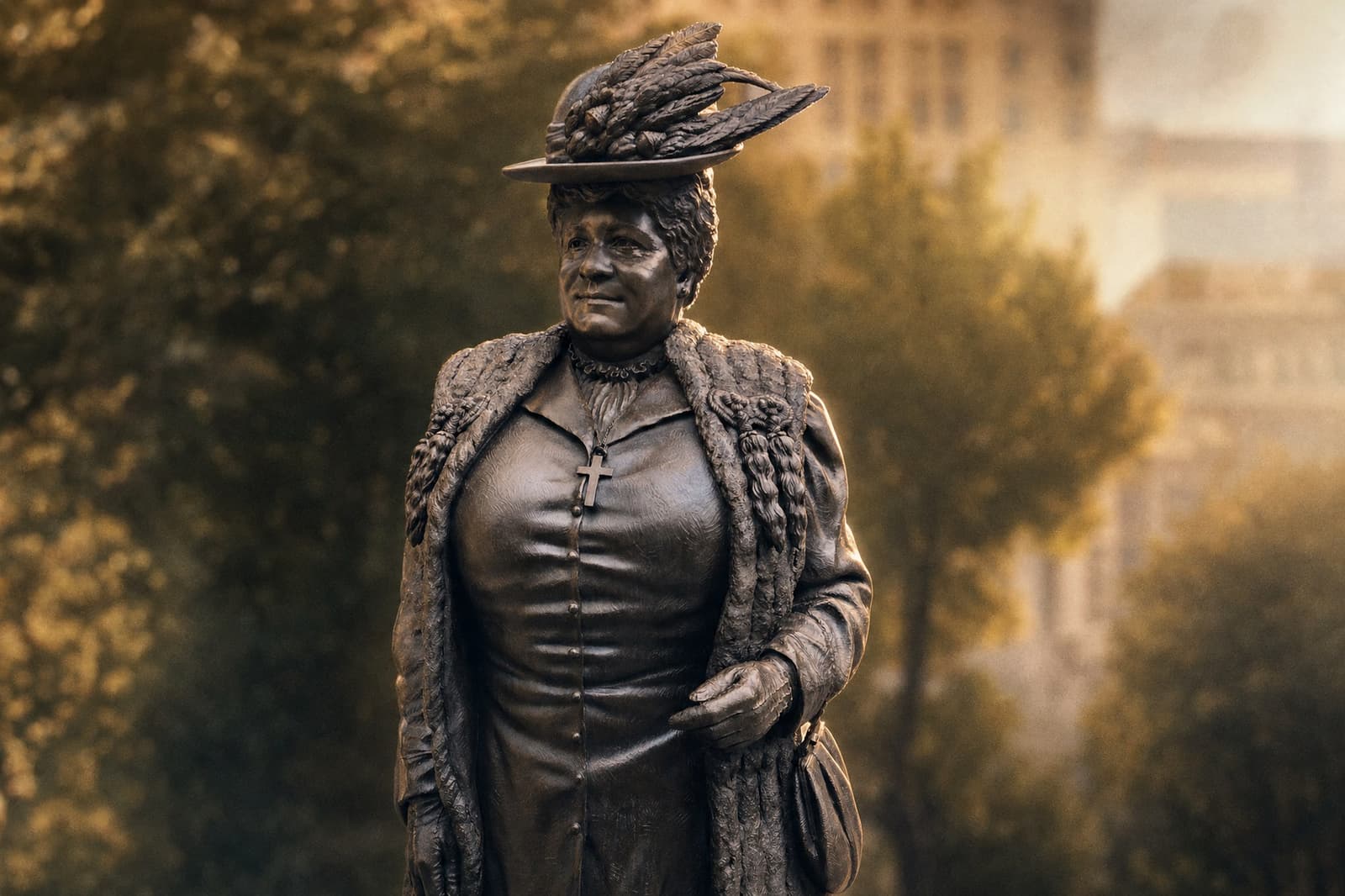
Cover photograph: The Maggie L. Walker statue in Richmond. Photo: WomenArtistUpdates, CC BY-SA 4.0, via Wikimedia Commons. Edited by Culture.
- Who was the first woman to charter a bank in the United States?
- Maggie Lena Walker, who chartered the St. Luke Penny Savings Bank in Richmond, Virginia in 1903 and served as its president. She was the first American woman of any race to do both.
- What was the St. Luke Penny Savings Bank?
- The St. Luke Penny Savings Bank was a bank Maggie Lena Walker chartered in Richmond in 1903 for Black working families. It welcomed nickels, gave children penny banks, and helped hundreds of families turn their savings into down payments on homes.
- What happened to the St. Luke Penny Savings Bank?
- The St. Luke Penny Savings Bank survived the Great Depression, which wiped out thousands of American banks. It merged with other Black-owned banks in Richmond and kept operating for decades, with Maggie Lena Walker as chairman of the board.
- What else did Maggie Lena Walker run?
- Besides her bank, Maggie Lena Walker ran the Independent Order of St. Luke, a newspaper, and a department store that hired Black women as clerks when no other store in Richmond would.
- What is a credit union and how is it different from a bank?
- A credit union is owned by its members, not by shareholders, so profits come back as better rates and lower fees. It is the same idea Maggie Lena Walker used: many small deposits pooled and lent back to the people who made them, often on terms a big bank will not offer.
- How can I save money the way Maggie Lena Walker taught?
- Maggie Lena Walker's bank was built on small, steady deposits, so the lesson is to save small and automatically, even ten dollars a week. Joining a member-owned credit union is the modern version of her idea.