§ LEGENDS · 2 MIN READ
He Stole a Confederate Ship and Sailed It to Freedom
In 1862 Robert Smalls, enslaved and working as a ship's pilot, waited for the white officers to go ashore, dressed in the captain's hat, and sailed past five Confederate forts with his family aboard.

By Culture
THE SHORT VERSION
Robert Smalls was an enslaved ship's pilot who on May 13, 1862 commandeered the Confederate steamer Planter in Charleston harbour, sailed it past five Confederate forts using the correct signals, and delivered it to the Union blockade along with his family and other enslaved people aboard. He later served five terms in the United States Congress.
Some stories are too improbable to survive retelling without sounding invented. This one is documented, and it is better than the version people remember.
Robert Smalls was born enslaved in Beaufort, South Carolina in 1839 and hired out to work Charleston's waterfront, where he became a skilled ship's pilot. That skill was extracted from him and it was also the thing nobody thought to worry about.
On the night of May 13, 1862, the white officers of the Confederate steamer Planter went ashore, against orders, leaving the enslaved crew aboard.
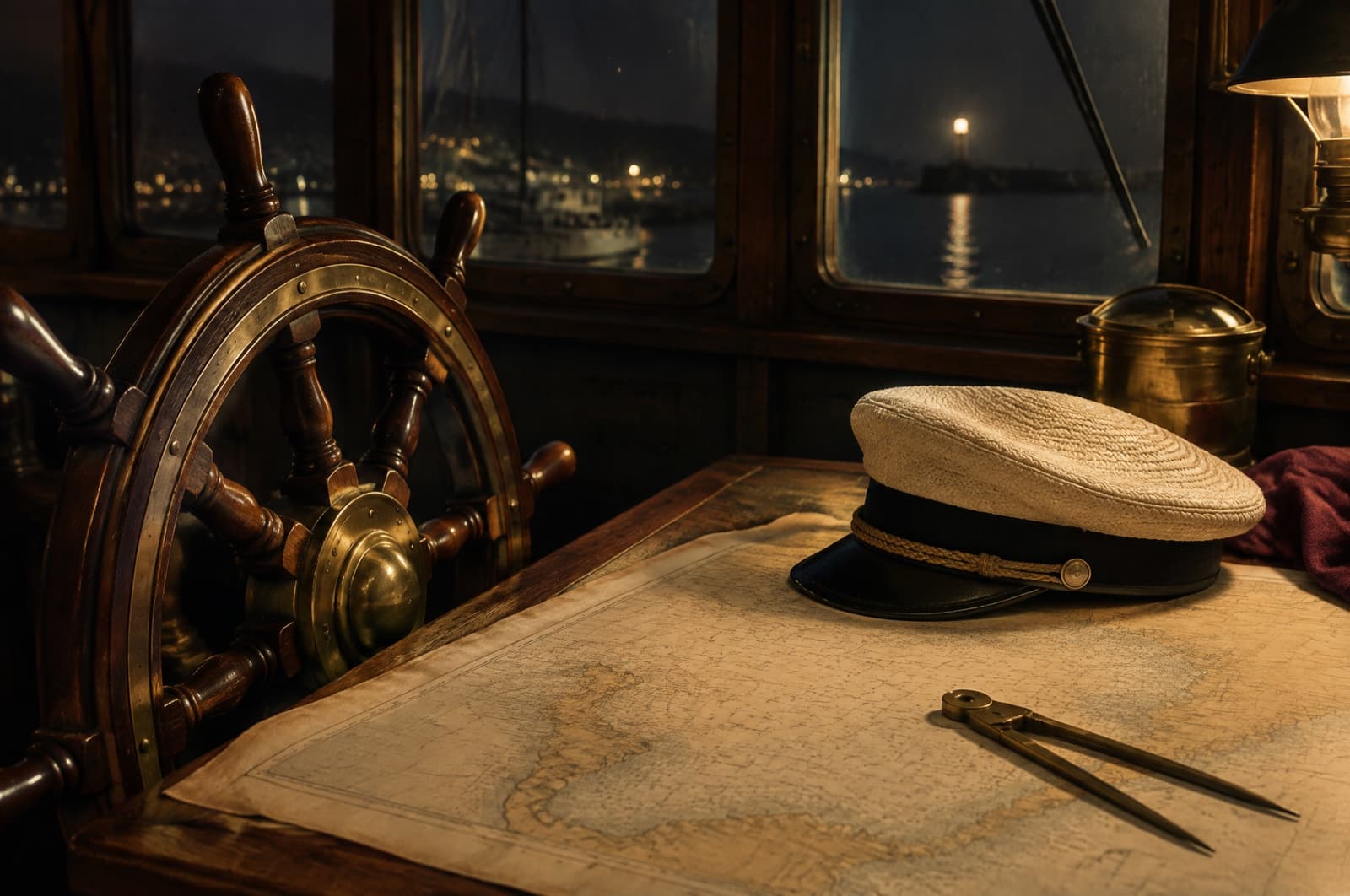
Smalls put on the captain's straw hat. He took the ship out of the dock, collected his wife, his children and several other enslaved people from a prearranged meeting point, and sailed toward the harbour mouth.
Then he sailed past five Confederate fortifications, including Fort Sumter, giving the correct signal at each one because he had been made to learn them. Nobody stopped him. He had the posture, the hat and the codes.
Clear of the last gun, he hauled down the Confederate flag, ran up a white bedsheet, and delivered the ship, its cargo and its artillery to the Union blockade.
“They taught him the harbour because they needed a pilot. That was the whole mistake.”
He did not disappear into the story. He got larger.
Smalls piloted for the Union navy through the war and reportedly urged the recruitment of Black soldiers, arguing directly in Washington for it. After the war he returned to Beaufort and bought the house he had been enslaved in, and let his former enslaver's widow live out her life in it.
He was elected to the South Carolina legislature and then to the United States Congress, where he served five terms during and after Reconstruction. In the state legislature he helped establish South Carolina's first free compulsory public school system, open to all children.
That is the detail to hold. Given power, the first thing he built was schools.
Smalls lived to watch Reconstruction dismantled, the vote stripped back through violence and law, and the representation Black South Carolinians had won erased for generations. He fought it in print and in office and largely lost.
Which is worth remembering now rather than filing under the past. Rights won can be rolled back by the same mechanisms that granted them, which is what the Supreme Court's 2026 voting rights decision is about, and why maps get drawn the way they do.
He took the ship because he knew the harbour. The general version of that: the thing they made you learn in order to serve them is frequently the exact thing that gets you out.
- Who was Robert Smalls?
- An enslaved ship's pilot in Charleston who commandeered the Confederate steamer Planter on May 13, 1862, sailed it past five Confederate forts to the Union blockade with his family aboard, and later served five terms in the United States Congress.
- How did Robert Smalls escape with the ship?
- The white officers had gone ashore against orders. He wore the captain's straw hat, collected his family and others from a prearranged point, and gave the correct Confederate signals at each fortification because his work as a pilot had required him to learn them.
- What did Robert Smalls do after the Civil War?
- He bought the house in which he had been enslaved, served in the South Carolina legislature where he helped establish the state's first free compulsory public school system, and served five terms in the US Congress during and after Reconstruction.