§ LEGENDS · 2 MIN READ
She Trained Barefoot and Won the Gold
Alice Coachman had no access to training facilities, so she ran on dirt roads and jumped over rope tied between sticks. In 1948 she became the first Black woman from any country to win an Olympic gold medal.

By Culture
THE SHORT VERSION
Alice Coachman became the first Black woman from any country to win an Olympic gold medal, taking the high jump at the 1948 London Games with an Olympic record. Barred from segregated training facilities in Georgia, she had trained by running on dirt roads and jumping over rope and sticks.
Alice Coachman grew up in Albany, Georgia, in the 1920s and 1930s, in a place and a time that offered a Black girl who wanted to be an athlete precisely nothing.
No track. No coach. No access to the facilities that existed, because they were for white athletes. Her father reportedly did not want her running at all, on the grounds that it was not what girls did.
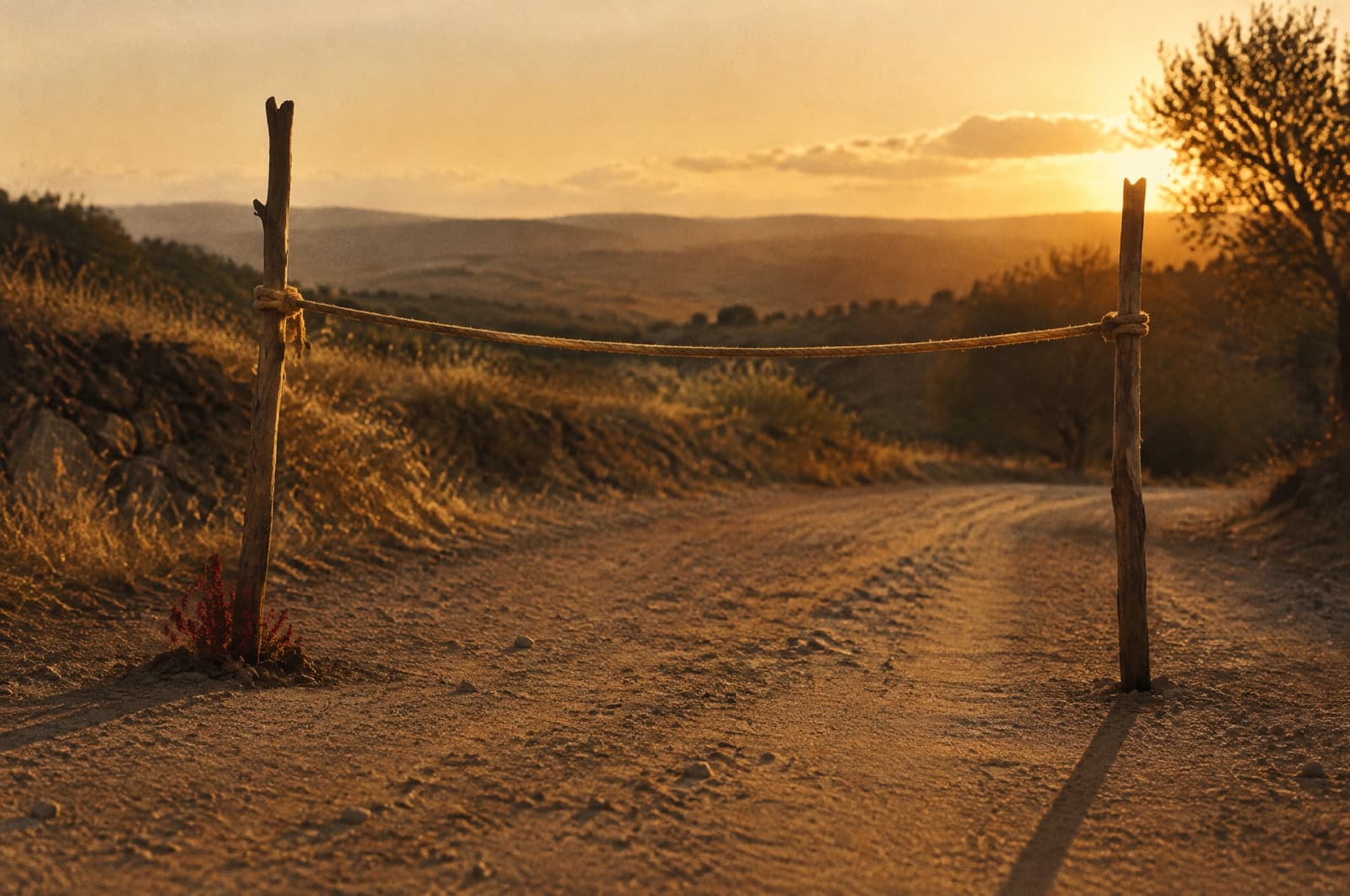
So she ran on the dirt roads, and she practised the high jump over a rope tied between two sticks, landing on whatever was there.
The Tuskegee Institute noticed her. She went on to dominate American high jumping for a decade, winning national championships in event after event and year after year, often while also playing basketball at a high level.
Then the war cancelled the 1940 and 1944 Olympics. Two Games, at what would have been her physical peak, simply did not happen. Nobody can give those back and nobody compensated her for them.
She was twenty five by the time an Olympics finally occurred, competing with a back injury.
She won the high jump, set an Olympic record, and became the first Black woman from any country to win an Olympic gold medal. It was the only gold medal won by an American woman at those Games.
King George VI presented her medal.
“She trained over a rope tied between two sticks, and jumped higher than anybody at the Olympics.”
She returned to Georgia to a celebration in Albany, and the ceremony was segregated. Black attendees and white attendees were seated separately. The mayor was present and did not shake her hand.
She left the event by a side door.
That detail is why this story belongs in a magazine rather than a highlight package. The gold medal did not exempt her from anything. She went home to exactly the arrangement she had left, having become the first woman in the world to do what she did.
She became a teacher and a coach, and later established a foundation to support young athletes and retired Olympians who had been left with nothing, which was a great many of them from her era.
That is the recurring move in this section. Augusta Savage taught. Charles Drew trained surgeons. Mayisha Akbar handed her program to the students who grew up in it. The people who could not change the institution in their own lifetime built the next group instead, and the next group changed it.
Forty seven years later two sisters were learning tennis on public courts in Compton with a father who had written the plan down. The equipment was still improvised. The result was not an accident.
- Who was the first Black woman to win an Olympic gold medal?
- Alice Coachman, who won the high jump at the 1948 London Olympics with an Olympic record. She was the first Black woman from any country to win Olympic gold, and it was the only gold won by an American woman at those Games.
- How did Alice Coachman train?
- Segregation barred her from the training facilities in Albany, Georgia, so she ran on dirt roads and practised the high jump over a rope tied between two sticks.
- What happened when she returned home after the Olympics?
- Albany held a celebration that was segregated, with Black and white attendees seated separately. The mayor was present and did not shake her hand, and she left by a side door.