§ TECH · 3 MIN READ
The Professor Who Put Many Brains on One Chip
In the 1990s Kunle Olukotun argued that a computer chip should hold many small processors instead of one big one. Everyone said no. Now every phone works his way, and his AI chip company just raised 350 million dollars.

By Culture

THE SHORT VERSION
Kunle Olukotun is a Stanford professor whose Hydra project in the 1990s argued that a chip should hold several simpler processors instead of one large one, the multicore design every phone and laptop now uses. His AI chip company SambaNova, co-founded in 2017, raised a 350 million dollar Series E in February 2026, bringing total known funding to about 1.5 billion dollars.
Pull out your phone. Somewhere inside it is a chip with several small processors working side by side instead of one big one doing everything. That idea has a name, the chip multiprocessor, and thirty years ago the industry thought it was wrong. A young Stanford professor named Kunle Olukotun thought it was the future. He was right, and the whole world runs on it now.
Hydra
In the mid 1990s, the way to make a chip faster was to make its one processor bigger and hotter. Olukotun's Hydra project at Stanford argued the opposite: put several simpler processors on one piece of silicon and let them share the work. Simpler, cooler, and much easier to scale.
He proved it by building a company. Afara Websystems, which he co-founded, was bought by Sun Microsystems in 2002, and its design became Sun's Niagara chip, one of the first commercial multicore processors. Today a laptop with eight cores is normal. A phone with six is normal. That is Hydra, grown up.
SambaNova
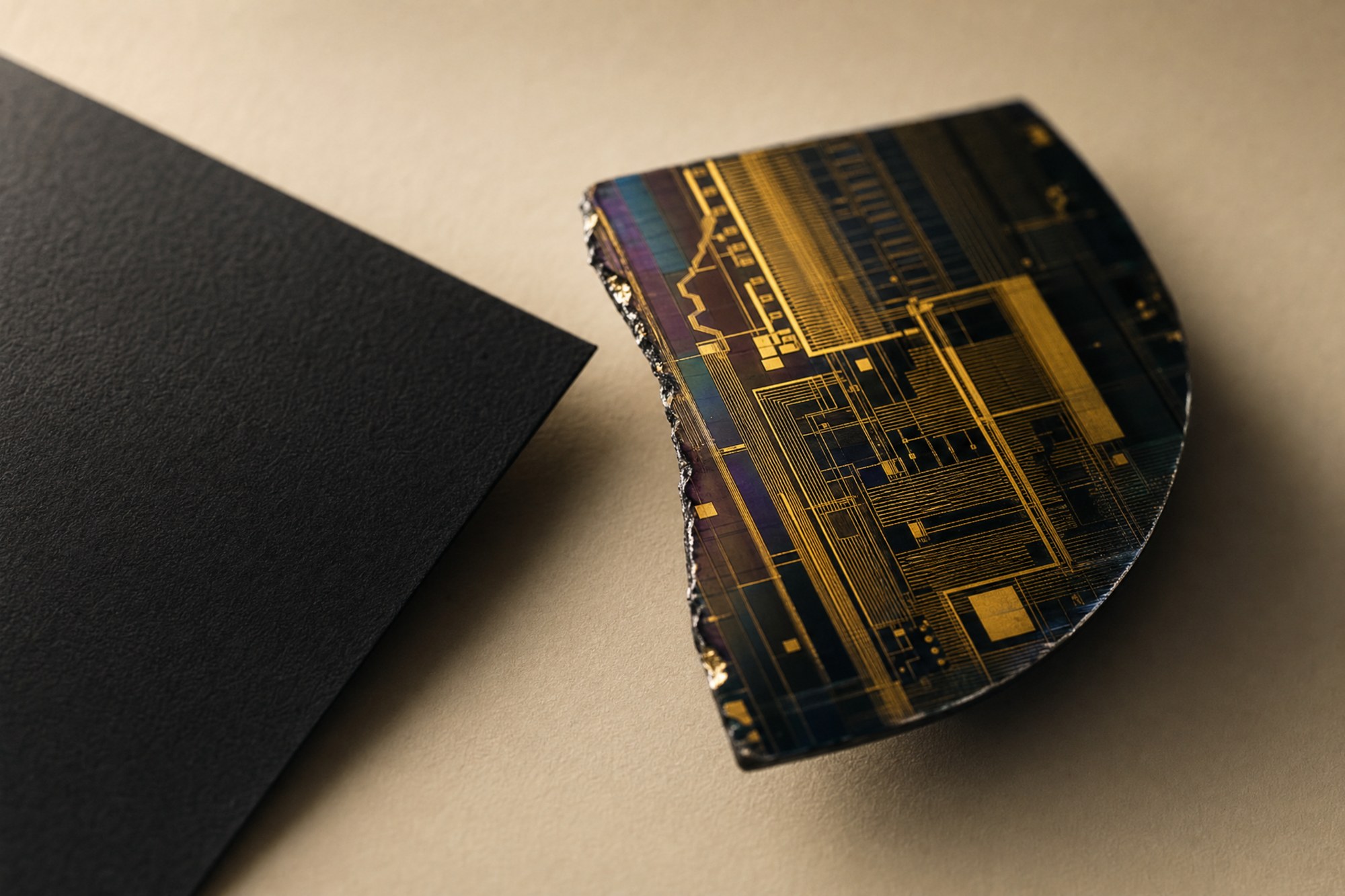
In 2017 Olukotun did it again, this time for artificial intelligence. AI models like the ones writing emails and reading X-rays need enormous amounts of math done in a very specific pattern, and the ordinary chips that run games and spreadsheets are a clumsy fit. SambaNova, which he co-founded with Rodrigo Liang and fellow Stanford professor Chris Ré, designs chips shaped around the way AI actually computes.
In February 2026 the company raised a 350 million dollar Series E. A Series E is a late, large round, the kind you raise when you are big and getting bigger. That brought SambaNova's total known funding to about 1.5 billion dollars.
“The industry told him a chip should have one brain. He built one with many, and then he built one for the machines that think.”
Why the Number Matters to Us
Here is context that should sit next to that round. Crunchbase counts every dollar raised by startups with at least one Black founder. In the first months of 2026 that total was about 643 million dollars, the best stretch since 2022. SambaNova's single round was more than half of it.
That cuts two ways. It shows what is possible when a Black technologist owns the idea and the company. It also shows how thin the rest of the list is. One professor's round should not be the whole story of a year. The money still does not know your zip code, and that is the other half of this story.
If You Want In
The path here was not mysterious. It was a research question nobody agreed with, held for a decade, then built into a company twice. Three concrete doors:
The point of telling Olukotun's story is not to celebrate the exception. It is to make sure the next kid who gets told her idea is wrong knows exactly what happened the last time.
- Who is Kunle Olukotun?
- Kunle Olukotun is a Stanford professor of Nigerian heritage who led the Hydra project in the 1990s, one of the first chips with several processor cores. Olukotun co-founded Afara Websystems and later the AI chip company SambaNova.
- What is a multicore processor?
- A multicore processor puts several simpler processors on one chip instead of one big one, so they share the work. Kunle Olukotun's Hydra project at Stanford was one of the first, and almost every phone and laptop uses the idea now.
- What was the Hydra project?
- Hydra was Kunle Olukotun's 1990s Stanford project arguing that a chip should hold several simpler processors instead of one bigger, hotter one. His company Afara Websystems was bought by Sun Microsystems in 2002, and its design became Sun's Niagara chip.
- What does SambaNova make?
- SambaNova designs chips built for artificial intelligence, which needs huge amounts of math in a pattern ordinary chips handle clumsily. Kunle Olukotun co-founded SambaNova in 2017 with Rodrigo Liang and Chris Ré.
- How much funding has SambaNova raised?
- SambaNova has about 1.5 billion dollars in total known funding, including a 350 million dollar Series E in February 2026. That one round was more than half of all money raised by startups with at least one Black founder in the first months of 2026.
- What is a Series E funding round?
- A Series E is a late, large funding round, the kind a company raises when it is big and getting bigger. SambaNova raised a 350 million dollar Series E in February 2026.