§ SCHOOLS · 2 MIN READ
Juilliard Came to Compton
Compton Unified has built arts partnerships including one with Juilliard, and it runs a drum line that feeds college marching bands. Arts programs are not the extra. They are frequently the reason a kid stays.

By Culture
THE SHORT VERSION
Compton Unified School District has built arts partnerships including one with Juilliard, and its high school drum line has become a feeder for collegiate marching bands at Grambling, Southern and Hampton. Arts and music programs are strongly associated with attendance and engagement, which is why they function as retention rather than enrichment.
When budgets get cut, the arts go first, and the argument for saving them is usually made on the wrong grounds. It is not that art is nice. It is that for a meaningful number of students, the arts programme is the reason they are in the building at all, which makes it an attendance strategy wearing a costume.
Compton Unified has forged partnerships with organisations including Juilliard for arts programs, alongside a STEAM festival that draws more than 8,000 community members to see student work.
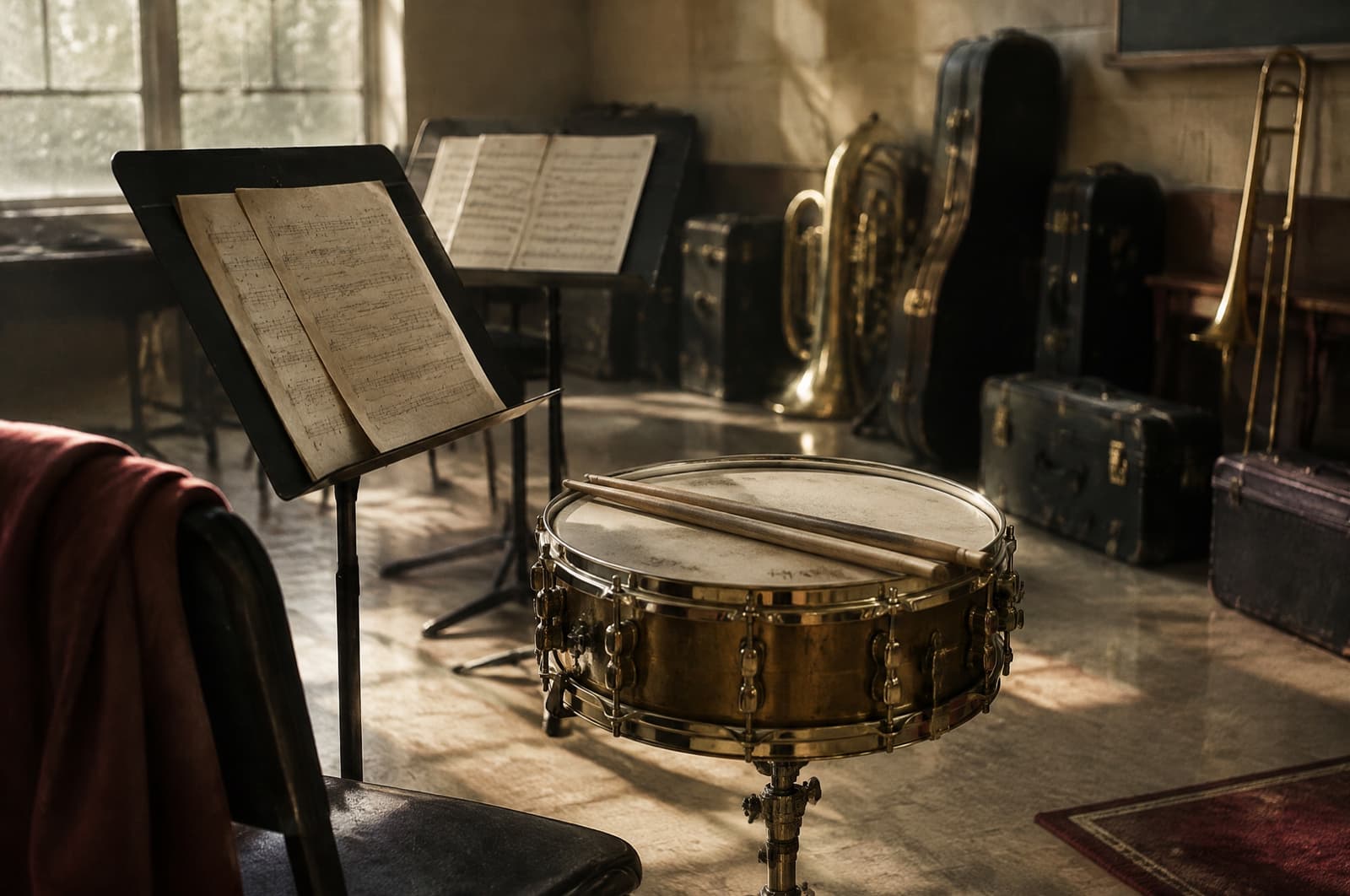
And then there is the band. The drum line at Compton High rebuilt itself from six students and a trash can in 2014 into a program that feeds collegiate marching bands at Grambling, Southern and Hampton. The students named their cadences after blocks, because they wanted to memorise their own city in 4/4.
Here is a practical fact that belongs in more households: marching band scholarships at HBCUs are real money, and they are far less contested than athletic scholarships.
A band at a major HBCU carries hundreds of members. Those programs recruit, they award scholarships, and the audition is a skill a student can practise every single day in a school band room for free. Compared to the odds in football, it is not close.
So if there is a kid in your house in the band, that is not a hobby competing with their future. Ask the band director directly which colleges recruit from the program and what the audition requires. Then ask about the FAFSA in the same week, because the scholarship sits on top of federal aid rather than replacing it.
“Nobody cuts the football team to save money. Ask why the band is always the first conversation.”
A student in an ensemble has a role that fails visibly if they are absent. Fifteen other people notice. That is a stronger attendance mechanism than any policy a district can write, and it is why chronic absence tends to be lower among students with a performance commitment.
It also produces the thing employers and admissions officers actually respond to: evidence a young person can commit to something difficult for years and finish it.
Eighty years ago Augusta Savage kept a classroom door open in Harlem and it produced a generation of American masters. The mechanism has not changed. Somebody has to keep the room open.
- Does Compton Unified have arts partnerships?
- Yes. The district has forged partnerships with organisations including Juilliard for arts programs, and runs an annual STEAM festival that draws more than 8,000 community members to see student projects.
- Are marching band scholarships real?
- Yes, and they are far less contested than athletic scholarships. Bands at major HBCUs carry hundreds of members, recruit actively and award scholarships, and the audition is a skill a student can practise daily in a school band room for free.
- Why do arts programs improve attendance?
- Because a student in an ensemble has a role that fails visibly when they are absent, and fifteen other people notice. That social accountability is a stronger attendance mechanism than any written policy.
- What do school arts programs actually need?
- Usually instruments, buses and chaperones rather than new ideas. Ask the director what is on the needs list, and turn up to concerts and festivals, because attendance figures are the argument a school board responds to at budget time.