§ THE STUDIO · 2 MIN READ
She Sculpted the Faces History Tried to Skip
Augusta Savage built Harlem's most important art classroom with her own hands, and her students became the century's masters. Ask where a movement comes from and the answer is usually somebody's classroom.

By Culture
THE SHORT VERSION
Augusta Savage was a leading sculptor of the Harlem Renaissance who opened a studio in Harlem and taught classes, many of them free, to anyone serious about the work. Jacob Lawrence learned in her orbit and became one of the most celebrated American painters of the century. Her 1939 World's Fair sculpture The Harp was inspired by Lift Every Voice and Sing.
Augusta Savage started sculpting as a little girl in Florida, shaping figures out of the red clay in her yard. Her father thought it was sinful and punished her for it. She kept digging up clay.
That stubbornness is the whole story, repeated at larger and larger scale.
Harlem's Open Door
By the 1930s Savage was one of the Harlem Renaissance's most respected sculptors, and she spent that respect on other people. She opened a studio in Harlem and taught classes, many free, to anyone serious. A teenager named Jacob Lawrence learned in her orbit, and he became one of the most celebrated American painters of the century. Ask where a movement comes from, and the answer is usually somebody's classroom. Harlem's was hers.
That choice cost her. Time spent teaching is time not spent making, and she made less work than she could have. She knew it, and she made the trade anyway, which is why the Harlem Renaissance has a second generation at all.
The Harp
For the 1939 New York World's Fair, Savage was commissioned to create a monumental work. She answered with The Harp: a choir of singing figures rising like the strings of the instrument, inspired by Lift Every Voice and Sing. Fair visitors by the thousands stood in front of it.
Then it was destroyed. The fair ended, there was no money to cast it in bronze or store it, and the plaster was demolished with the rest of the grounds. It survives in photographs and in small souvenir copies. Remember that the next time somebody says preservation is a luxury.
“She taught with one hand and made masterpieces with the other, and history owes her for both.”
The Tradition Is a Verb
For every artist teaching while they build their own catalogue, that is the Savage tradition. The studio with the open door is how a culture compounds. Three ways to keep it open, in descending order of effort:
Eighty years later, Amy Sherald pulled a whole museum show to protect one painting of one Black woman. Savage would have understood that exactly.
- Who was Augusta Savage?
- Augusta Savage was one of the most respected sculptors of the Harlem Renaissance. Savage opened a studio in Harlem and taught classes, many of them free, to anyone serious about the work.
- Who did Augusta Savage teach?
- Augusta Savage taught anyone serious out of her Harlem studio, often for free. Her most famous student is Jacob Lawrence, who became one of the most celebrated American painters of the twentieth century.
- How did Augusta Savage start sculpting?
- Augusta Savage started as a little girl in Florida, shaping figures from the red clay in her yard. Her father thought it was sinful and punished her for it, and she kept digging up clay.
- What happened to Augusta Savage's sculpture The Harp?
- The Harp was made for the 1939 New York World's Fair and destroyed when the fair closed, because there was no money to cast it in bronze or store the plaster. The Harp survives only in photographs and small souvenir copies.
- What inspired The Harp?
- Augusta Savage's The Harp was inspired by Lift Every Voice and Sing. The sculpture showed a choir of singing figures rising like the strings of a harp.
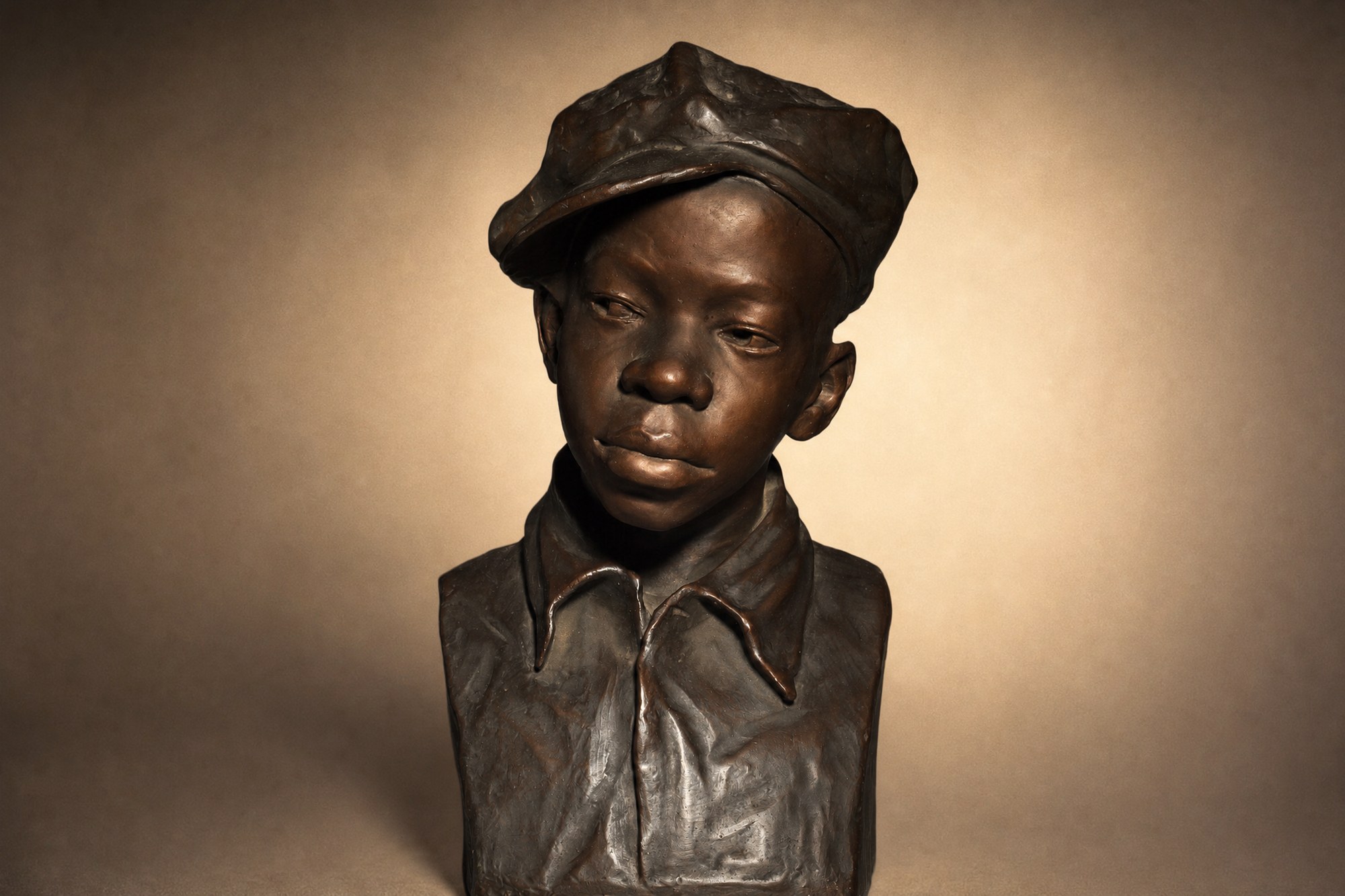
- What is Gamin by Augusta Savage?
- Gamin is a sculpture by Augusta Savage from about 1929. It is in the collection of the Cleveland Museum of Art.