§ LEGENDS · 3 MIN READ
Ray Charles Asked for His Masters. In 1959.
Born in Georgia in 1930, blind by seven, and by twenty nine he had negotiated a record deal Frank Sinatra did not have. The genius was in the music. The blueprint was in the contract.

By Culture
THE SHORT VERSION
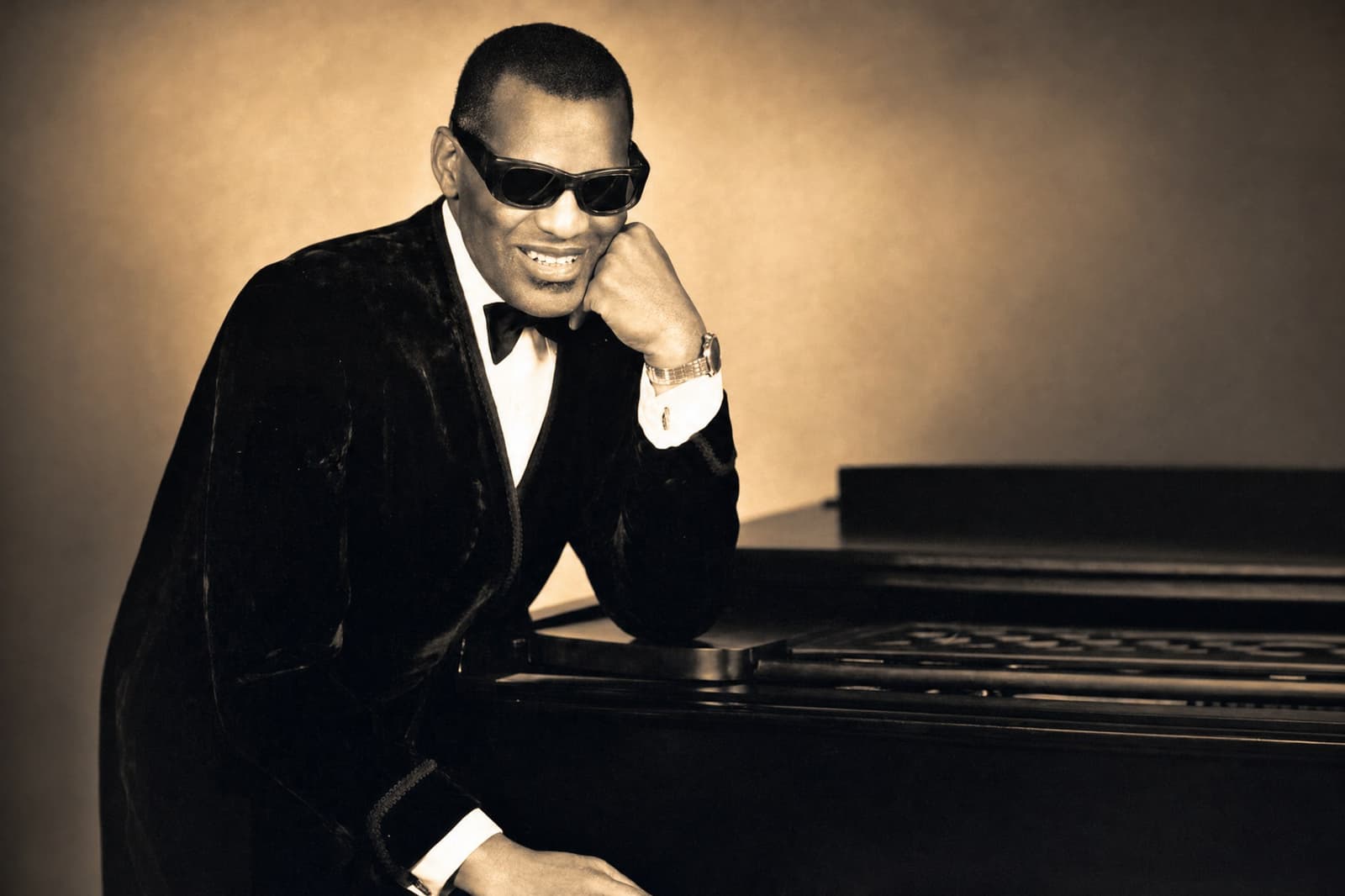
In late 1959 Ray Charles left Atlantic Records for ABC-Paramount on a contract that gave him a 50,000 dollar advance, one of the highest royalty rates in the industry, the right to produce his own records, and ownership of his master recordings after five years. Almost no artist of any race held their masters then, and Frank Sinatra did not hold his.
Ray Charles Robinson was born on September 23, 1930, in Albany, Georgia, and raised in Greenville, Florida, in a family so poor that he said later they were at the bottom of the ladder looking up at everybody else. Glaucoma took his sight by the time he was seven. His mother sent him to a school for the blind, where he learned to read music in Braille and write arrangements in his head.
Everybody knows the genius part. This is a story about the business part, because the business part is the lesson.
The Deal
By 1959 Ray Charles was the biggest star at Atlantic Records. What'd I Say had just gone gold. Atlantic had made him, and he was grateful. Then ABC-Paramount came calling, and Ray did something almost nobody in the music business did in 1959. He did not just ask for more money. He asked for the tapes.
The deal he signed that fall gave him a 50,000 dollar advance, one of the highest royalty rates in the industry, the right to produce his own records, and a path to owning his master recordings outright after five years. The masters are the original recordings, the thing every future sale, every movie placement, every reissue flows from. Frank Sinatra did not own his. A blind Black man from Albany, Georgia, negotiated for his, and got them.
What He Did With Freedom
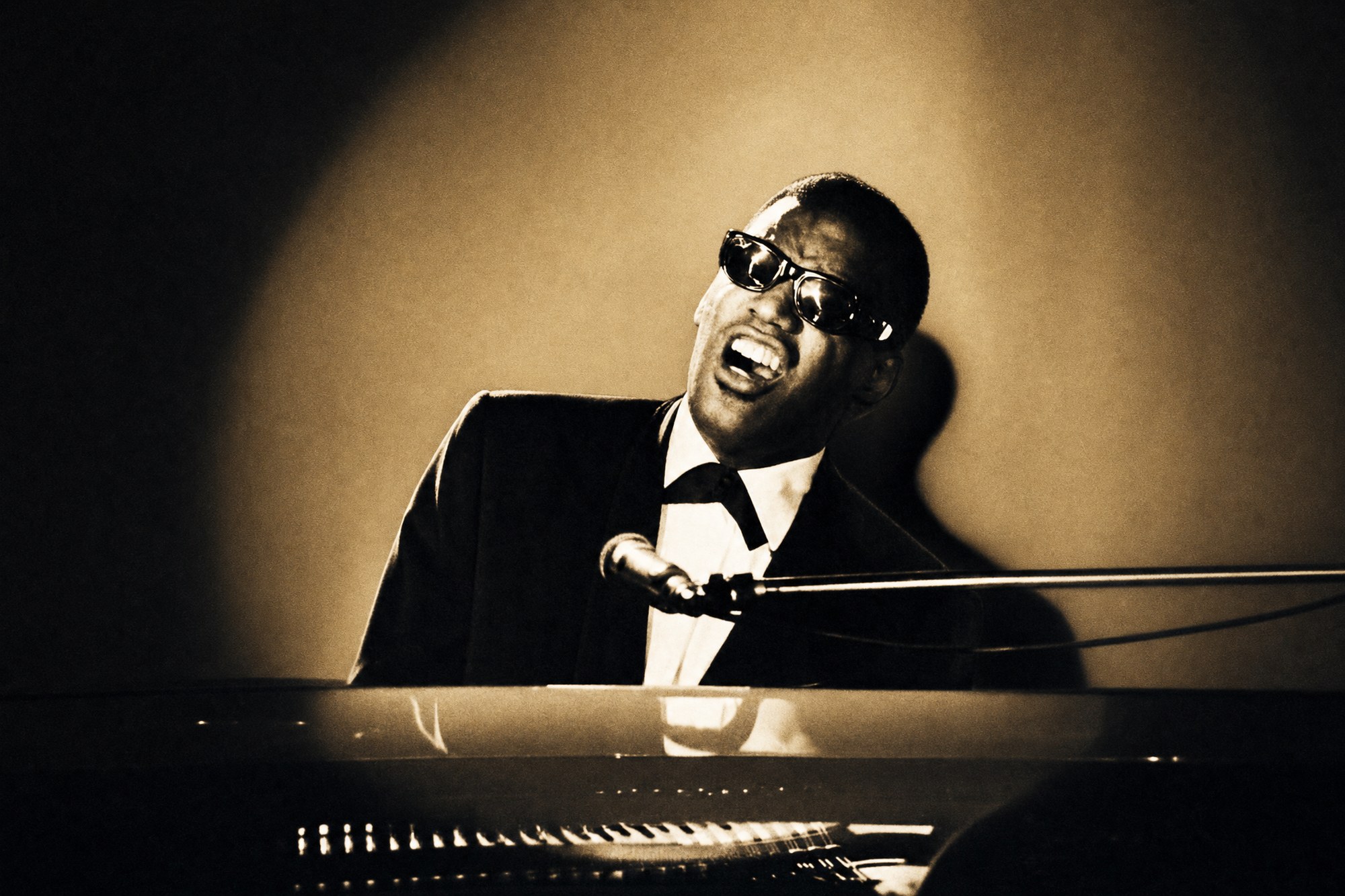
Ownership is only worth something if you use it. In 1960 he recorded Georgia on My Mind, and Georgia later made it the state song. In 1962 he did the thing his own label thought was crazy: he recorded Modern Sounds in Country and Western Music, a Black R&B star singing Hank Williams and Don Gibson with strings and a choir. It went to number one on the pop chart and stayed there for weeks. I Can't Stop Loving You sold millions.
He could do that because nobody could tell him no. That is what the contract bought. Not a house. Not a car. The right to be wrong on his own dime, which is the only way anyone is ever right.
“They gave him a piano because he could not see. He learned to read a contract because he could.”
What the 1959 Deal Teaches, in Four Lines
The Ladder
Ray Charles was in the first class of the Rock and Roll Hall of Fame in 1986. He won seventeen Grammys. He died in 2004 in Beverly Hills, and the movie about his life won Jamie Foxx an Oscar. All of that is the highlight reel.
The part to keep is the 1959 part. Sixty seven years ago a man who could not see the paper understood what the paper said, and he did not sign until it said his name where the ownership went. Tyler, the Creator ran the same play sixty years later and owns a festival because of it. Every artist uploading direct on Knect, keeping their masters, keeping their name, is walking a road he cleared with a cane.
- What are master recordings and why do they matter?
- A master is the original recording of a song, and every future stream, sale, reissue and film placement flows from it. Whoever owns the master gets paid on all of that, which is why it is the one line in a record contract that keeps paying long after an advance is spent.
- Did Ray Charles own his masters?
- Yes. Ray Charles's 1959 contract with ABC-Paramount gave him a path to owning his master recordings outright after five years. Frank Sinatra did not own his at the time.
- What was in Ray Charles's 1959 ABC-Paramount contract?
- Ray Charles's 1959 deal with ABC-Paramount gave him a 50,000 dollar advance, one of the highest royalty rates in the industry, the right to produce his own records, and ownership of his masters after five years. He signed it the year What'd I Say went gold at Atlantic Records.
- When and where was Ray Charles born?
- Ray Charles was born on September 23, 1930, in Albany, Georgia, and raised in Greenville, Florida. Glaucoma took his sight by age seven, and at a school for the blind he learned to read music in Braille.
- Why was Modern Sounds in Country and Western Music such a risk?
- Modern Sounds in Country and Western Music was a Black R&B star singing Hank Williams and Don Gibson with strings and a choir in 1962, and Ray Charles's own label thought it was a mistake. Creative control in his contract meant nobody could stop him, and the album went to number one on the pop chart.
- Is Georgia on My Mind the Georgia state song?
- Yes. Ray Charles recorded Georgia on My Mind in 1960, and Georgia later made it the state song.
- How many Grammys did Ray Charles win?
- Ray Charles won seventeen Grammys. He was also in the first class of the Rock and Roll Hall of Fame in 1986.