§ THE STUDIO · 2 MIN READ
Buy the First Piece for Under Two Hundred
Collecting sounds like something other people do. The entry point is a print, a study or a small work from somebody local, and buying one does more for a working artist than a year of admiring the big ones.

By Culture
THE SHORT VERSION
The affordable entry points to collecting are prints, studies and small works, which often sell for under a couple of hundred dollars directly from artists. An edition number indicates how many copies exist, smaller editions generally cost more, and buying directly from a living artist sends the entire amount to them rather than a share.
Most people believe art collecting begins somewhere above their income, which is a belief the auction coverage is happy to maintain. The real entry point is considerably lower and considerably more useful to the artist.
Prints. A signed, numbered print from an artist whose original work costs thousands frequently runs a couple of hundred dollars or less. Same image, same hand, different object.
Studies and small works. The sketch, the colour test, the small panel. Often the most interesting thing an artist makes, because it shows the work thinking, and priced far below the finished piece.
Student and emerging shows. Degree shows and open studios are where work is priced by people who have not yet learned what to charge.
Directly from the artist. Instagram, a studio visit, a market stall, a local show. This is also where the entire amount reaches them rather than a gallery share.
Edition. A print marked 12/25 means it is the twelfth of twenty five that exist. Smaller editions cost more because scarcity is the point.
Open edition. Unlimited copies. Cheapest, and perfectly legitimate as a way to own an image.
Artist proof, marked AP. Copies outside the numbered edition retained by the artist. Usually slightly more expensive.
Giclée. A high quality inkjet print. A good one on good paper lasts decades; the term itself says nothing about quality, so ask about the paper and the inks.
Provenance. The ownership history. Matters for resale and for authenticity, and matters very little for a print you bought from the person who made it.
“Buy it because you want to look at it for ten years. If it appreciates, that is a bonus and not the plan.”
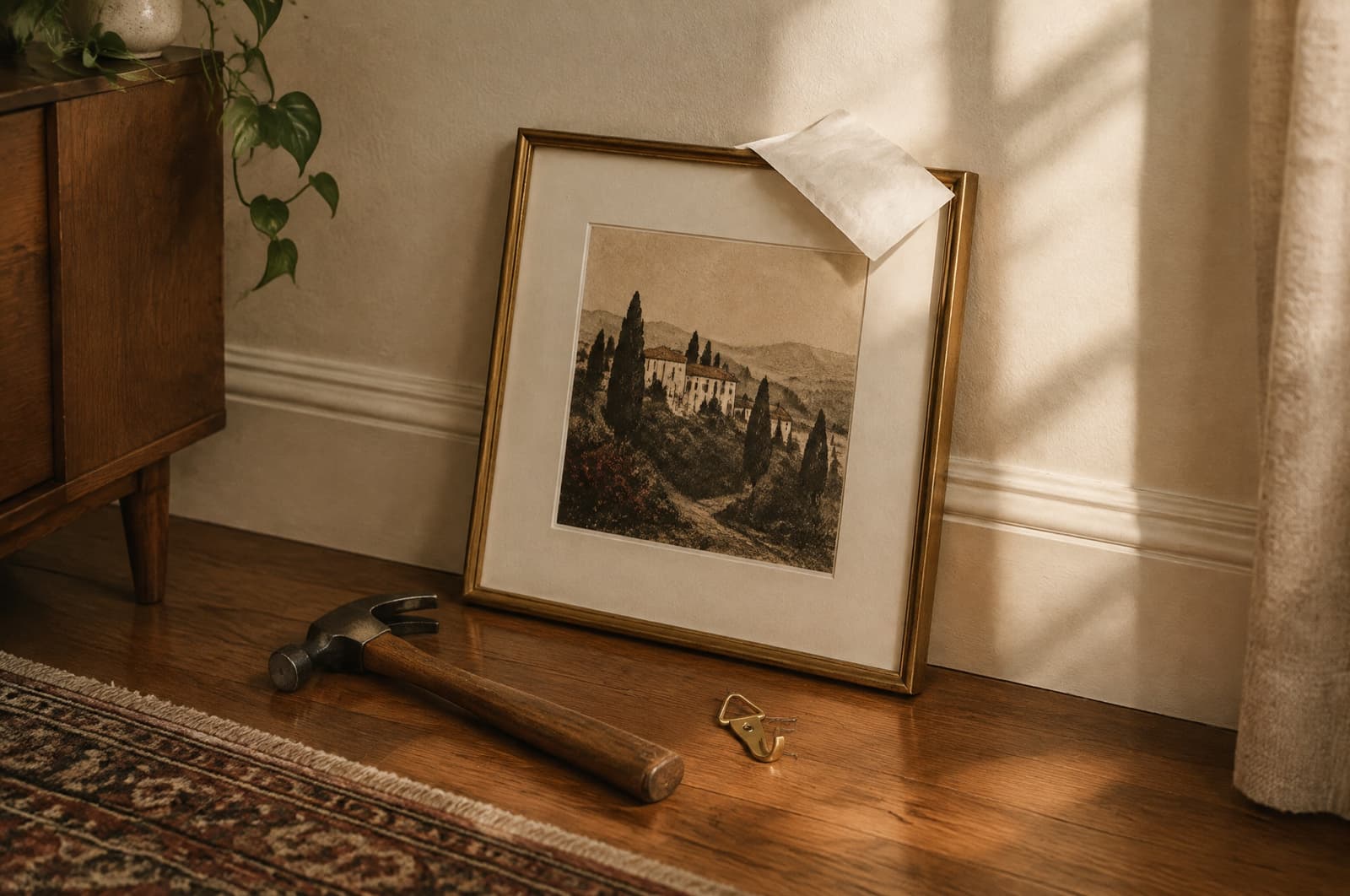
That last one matters more than people expect. Bad framing damages work, and UV-protective glazing plus acid-free mounting is the difference between a piece that survives and one that yellows. Framing frequently costs more than an affordable print, which is worth budgeting for rather than discovering.
A print from a famous artist supports a market. A small work bought from somebody working in your city pays rent, funds the next body of work, and gives them a sales record, which is what a venue looks at when deciding whether to give somebody a show.
Max Sansing and Quiana Lewis both take commissions and both have work in the gallery. The Youth Arts Stipend is the version of this for somebody who has not sold anything yet, which is frequently the decisive moment.
Start with one piece. Hang it where you will see it every day.
- How much does it cost to start collecting art?
- Far less than most people assume. Signed prints, studies and small works from artists whose originals cost thousands frequently sell for a couple of hundred dollars or less, especially when bought directly from the artist.
- What does an edition number mean?
- A print marked 12/25 is the twelfth of twenty five that exist. Smaller editions generally cost more because scarcity is the point. An open edition is unlimited and cheapest, and an artist proof, marked AP, is a copy outside the numbered edition retained by the artist.
- Should I buy art as an investment?
- Buy what you want to look at for ten years. Appreciation is a bonus rather than a reason, and predicting which emerging artist appreciates is not a skill most buyers have.
- Why buy directly from the artist?
- Because the entire amount reaches them rather than a gallery share, and because a sales record is what a venue considers when deciding whether to give an artist a show. It funds both the rent and the next opportunity.