§ THE COME-UP · 2 MIN READ
How an Independent Artist Actually Breaks
Not virality. The artists who last build a small number of real listeners, own the relationship, and release often enough to be found twice. Here is the mechanic, in order.

By Culture
THE SHORT VERSION
Independent artists build durable careers by owning the direct relationship with listeners through a mailing list or number they control rather than relying on platform followings, releasing consistently so new listeners can find more than one thing, registering compositions so royalties are collected, and converting online attention into live attendance.
Every conversation about breaking through starts with virality, which is the least controllable and least durable thing in the business. Here is what the people who are still working in ten years actually did.
A platform following is rented. The algorithm changes, the app declines, the account gets locked, and the audience you spent three years building becomes unreachable in an afternoon.
An email list and a phone list belong to you. Every release, every show, every merchandise drop should be collecting them. Two hundred people who can be reached directly are worth more than twenty thousand followers who see you when a system decides to show you.
This is the modern version of the thing Eazy-E understood when he built the label before the hits. Own the channel to the audience and everybody else has to negotiate with you.
When somebody hears something they like, they immediately look for more. If there is one song, that is where it ends.
Consistency beats perfection here. A release every six to eight weeks keeps a catalogue growing and gives every new listener somewhere to go. The artists who disappear for two years polishing an album frequently return to an audience that moved on.
This is unglamorous and it is the difference between a career and a hobby.
Streams are a metric. People in a room are a business.
A hundred people who will pay to see you in your own city is a functioning career: it books, it sells merchandise, it gives a promoter a reason, and it is far more resilient than a spike in plays. Start with the room you can fill and grow it, rather than waiting for a number large enough to justify a tour.
“A hundred people who show up beats a hundred thousand who scrolled past. That has never once stopped being true.”
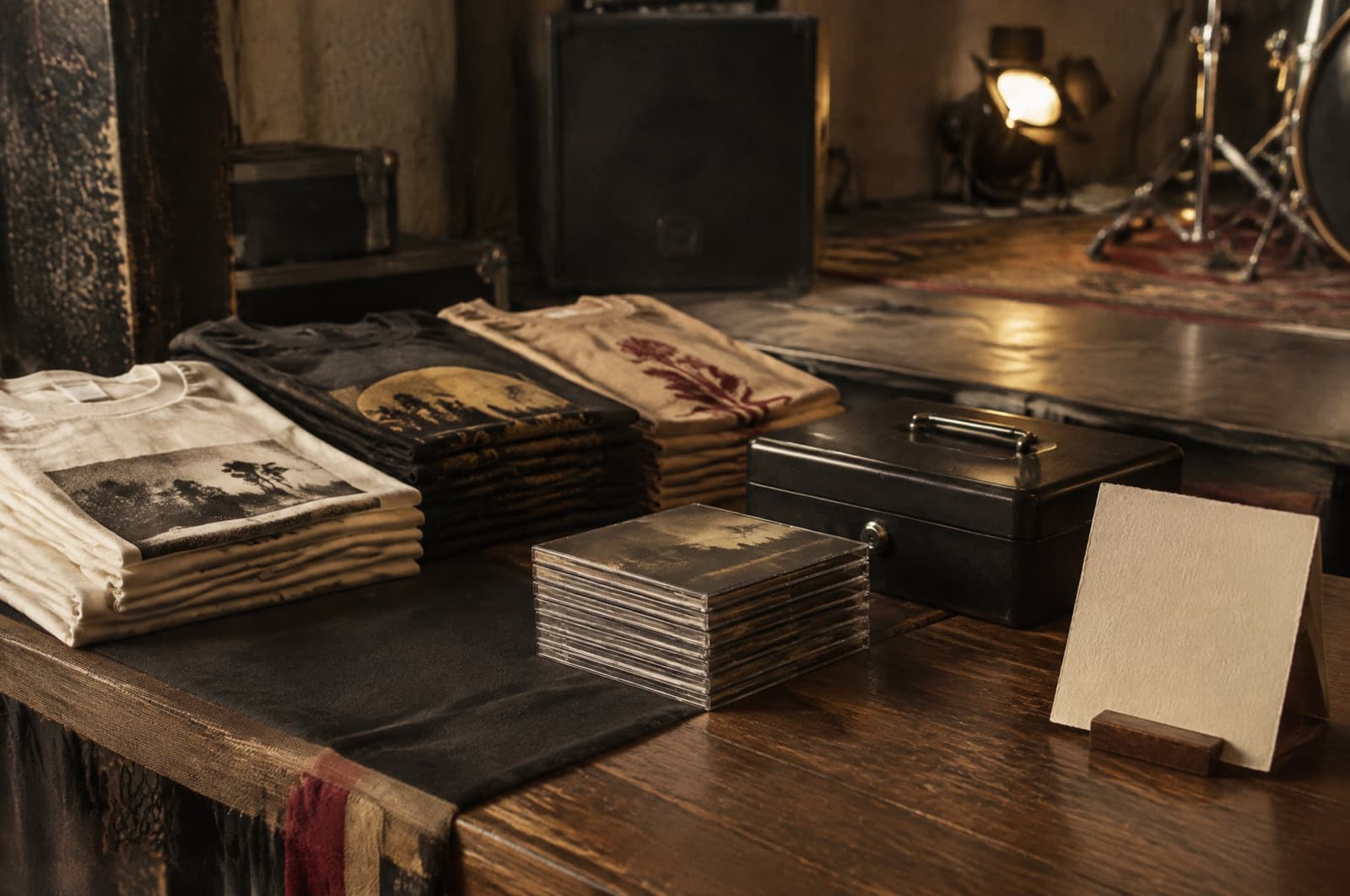
Music increasingly functions as the thing that builds the audience, and the audience buys something else: merchandise, shows, vinyl, classes, a brand.
Tyler turned taste into a festival and a clothing line. Adiz Benson turned the run into a studio she owns. The music remains the reason people care, and the second thing is frequently what pays.
Put the work somewhere it can be found and followed: start the channel, get it on Frequency, and tell the people in your phone specifically rather than posting generally.
Then do the boring part this week. Register the songs.
- How do independent artists build an audience?
- By owning the direct relationship rather than renting it. Collect email addresses and phone numbers at every release, show and merchandise drop, because a platform following disappears when an algorithm changes or an account is locked.
- How often should an artist release music?
- Often enough that a new listener who likes one song can immediately find a second. Roughly every six to eight weeks keeps a catalogue growing. Disappearing for two years to perfect an album commonly means returning to an audience that has moved on.
- What paperwork does an independent musician need?
- Registration with a performing rights organisation and separate registration of each composition, written and signed splits agreed in the room on the day of the session, retained ownership of masters where possible, and careful reading of anything exclusive or perpetual before signing.
- Are streams or live shows more important?
- Live attendance. Streams are a metric; a hundred people who will pay to see you in your own city is a functioning business that books shows, sells merchandise and gives promoters a reason to call.