§ THE TEA · 2 MIN READ
The Costumes Came Out of the Vault
A Broadway exhibition put Cynthia Erivo's Color Purple costume, Eartha Kitt's from The Wild Party and Jeremy Pope's from Choir Boy in one room. Clothes are receipts, and these ones have been kept.

By Culture
THE SHORT VERSION
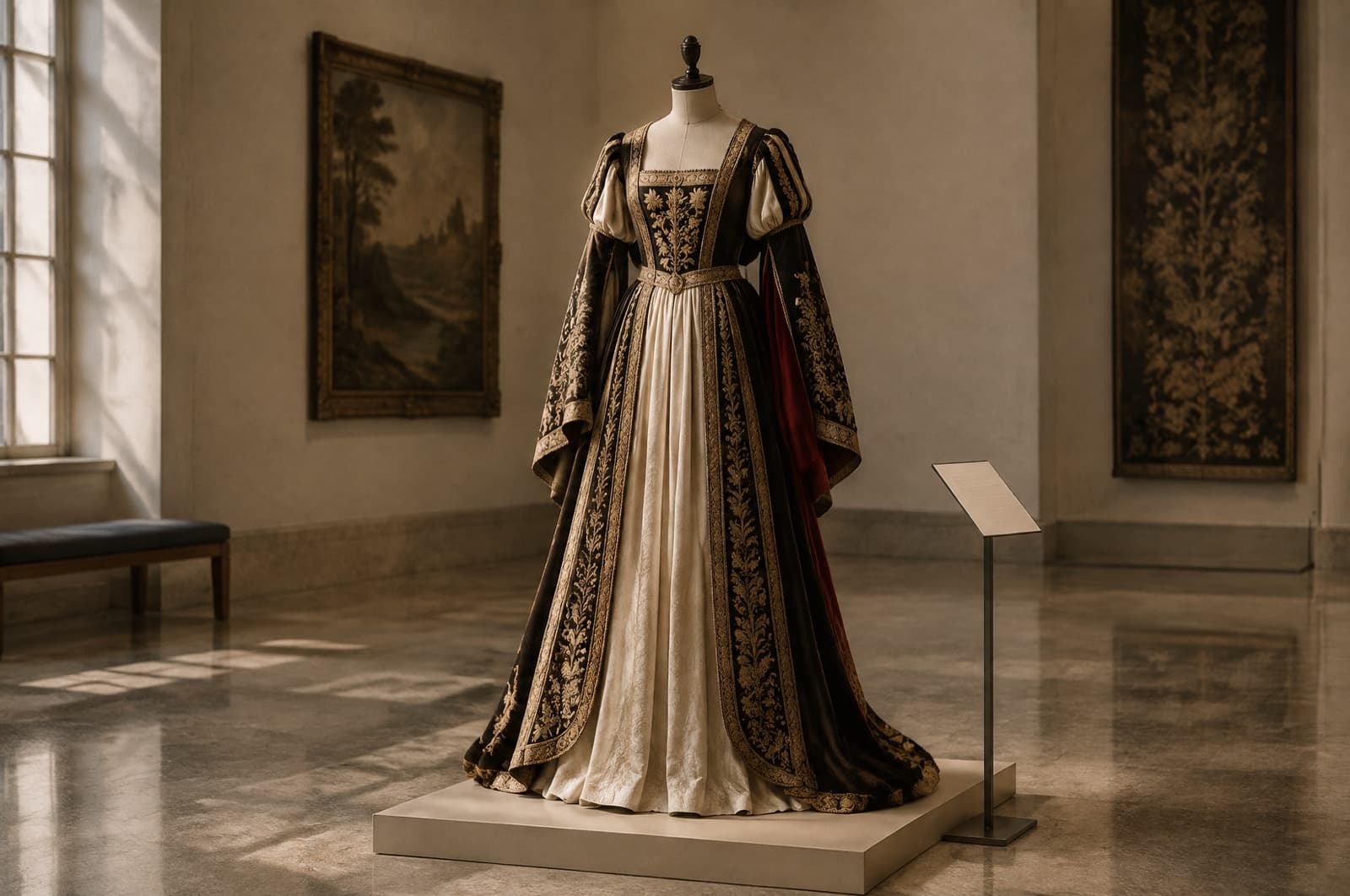
Crafting Excellence: Black Storytellers of Broadway was an exhibition at the Museum of Broadway spotlighting Black artists and organisations on Broadway, including Duke Ellington, Lorraine Hansberry and Langston Hughes, and displaying costumes worn by Cynthia Erivo in The Color Purple, Eartha Kitt in The Wild Party and Jeremy Pope in Choir Boy.
A performance is the most temporary thing anybody makes. The lights go down, the run ends, the set is broken apart, and what remains is a recording nobody is allowed to show and the memory of whoever was in the room.
Which is why a kept costume is worth more than it looks.
Crafting Excellence: Black Storytellers of Broadway ran at the Museum of Broadway, showcasing the work and legacy of Black artists and organisations on Broadway. It put Duke Ellington, Lorraine Hansberry and Langston Hughes at the centre of the Broadway story rather than in the footnotes where they usually sit.
And it had the clothes. Cynthia Erivo's costume from The Color Purple. Eartha Kitt's from The Wild Party. Jeremy Pope's from Choir Boy.
Because a costume is the closest thing theatre has to a photograph. It carries the body that wore it: where it was taken in, where it wore through, how it moved. Standing in front of Erivo's Color Purple costume is as near as anybody gets to the performance who was not there on the night.
It is also evidence. Theatre is the least archived of the popular arts, so much of Black theatrical history exists as programmes, reviews written by people who did not understand it, and word of mouth. An object with provenance settles arguments that a memory cannot.
“The show closed. The dress is still here, and the dress is the proof.”
The New York Public Library for the Performing Arts ran Syncopated Stages: Black Disruptions to the Great White Way into February 2026, and museums elsewhere have been mounting photography and painting shows built on the same instinct: gather the material while the people who can identify it are still alive to do it.
That is the same job the wall of donated family portraits is doing here at a smaller scale, and the same one Proud Origins does with oral histories. Institutions preserve what somebody bothered to hand in.
If you have theatre or performance material in a drawer, a programme, a call sheet, a costume piece, a cast photograph, contact a local museum or library before anybody clears a closet. That is how these exhibitions get built, every single time.
And go see live work while it is live, because that is the only archive that ever really works. What is on this week is the local list, and the gallery is open regardless.
- What was Crafting Excellence: Black Storytellers of Broadway?
- An exhibition at the Museum of Broadway showcasing the work and legacy of Black artists and organisations on Broadway, spotlighting figures including Duke Ellington, Lorraine Hansberry and Langston Hughes.
- Which costumes were displayed?
- Costumes worn by Cynthia Erivo in The Color Purple, Eartha Kitt in The Wild Party and Jeremy Pope in Choir Boy.
- Why do costumes matter as historical objects?
- Because theatre is the least archived popular art. A performance ends and leaves almost nothing behind, so a costume with provenance carries the body that wore it and serves as evidence where only memory and secondhand reviews otherwise exist.
- How do exhibitions like this get built?
- From material people hand in. Programmes, call sheets, cast photographs and costume pieces held in private drawers are the raw material, which is why contacting a local museum or library before clearing out a closet matters.