§ WELLNESS · 3 MIN READ
Nobody Is Taking the Cornbread
Most diabetes advice tells Black families to stop eating their own food. The useful version keeps the table and changes the technique, and the technique is where almost all the numbers actually live.

By Culture
THE SHORT VERSION
Blood sugar management depends more on preparation, portion and the order food is eaten than on eliminating traditional dishes. Eating vegetables and protein before starch, cooling cooked rice and potatoes before eating, and walking for ten to fifteen minutes after a meal all measurably reduce the blood sugar spike from the same food.
Almost every piece of diabetes advice aimed at Black families starts by describing our food as the problem. It is a bad argument, it makes people stop listening, and it is not even where most of the damage is.
The food is not the enemy. The technique is the lever, and technique is far easier to change than a table that has been set the same way for eighty years.
This is the single most useful thing in this article and it costs nothing.
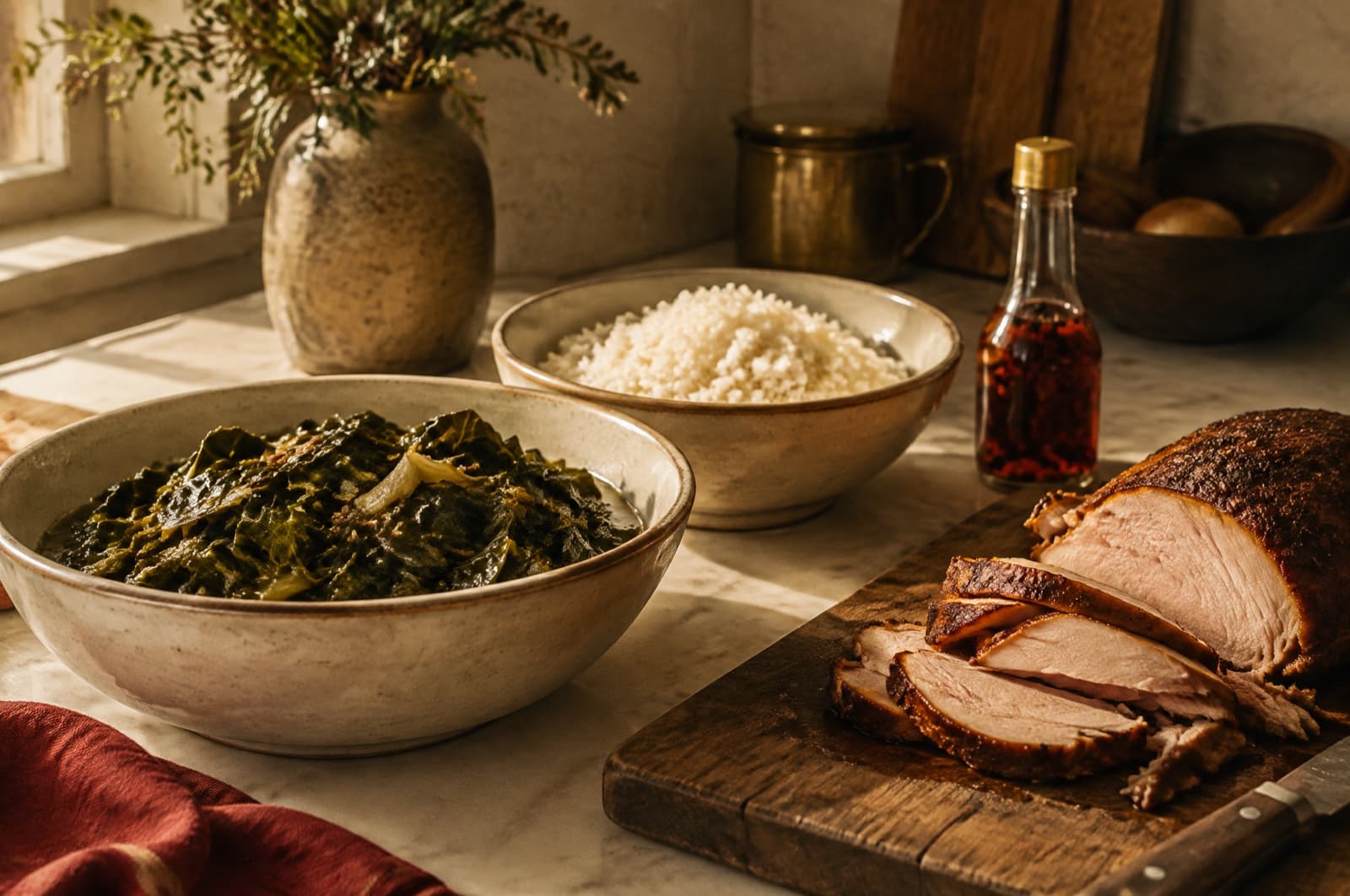
Eat the vegetables and the protein first, and the starch last. Same plate, same food, same quantity. Eating fibre and protein before carbohydrate measurably reduces the blood sugar rise afterwards. Greens first, then the meat, then the rice.
When rice, potatoes or pasta are cooked and then cooled, part of the starch reorganises into a form the body digests more slowly, called resistant starch. Reheating it afterwards keeps much of that effect.
Which is to say: yesterday's rice is genuinely better for your blood sugar than rice straight out of the pot. Potato salad made the day before behaves differently from potatoes eaten hot. This is one of the few pieces of nutrition advice that rewards exactly what a lot of households already do.
“Nobody has to give up the plate. Change the order, cool the rice, and take a walk.”
Ten to fifteen minutes of easy walking after a meal does more for the post-meal blood sugar spike than the same walk at another time of day, because the muscles pull glucose out of the blood while it is arriving. Around the block after dinner. That is the whole intervention.
Most dietary sodium in America comes from packaged and restaurant food, not from a home cook's hand. A can of soup, a frozen dinner or a fast food meal can carry most of a day's sodium in one sitting. A person cooking from scratch with a salt shaker has more control than they are usually given credit for, which is worth saying to every grandmother who has been made to feel like the problem.
Ask for an A1C test, which shows average blood sugar over about three months. Type 2 diabetes runs silently for years, and the damage accumulates the whole time. The same appointment can cover blood pressure and cholesterol, and a free community health day is where a lot of people find out.
If fresh food is the obstacle rather than knowledge, a weekly food box is real produce and it is free.
- Does eating order affect blood sugar?
- Yes, measurably. Eating vegetables and protein before the starch reduces the blood sugar rise from the same meal compared with eating the starch first. It requires no change to what is on the plate.
- Is day-old rice better for blood sugar?
- Generally yes. Cooking then cooling rice, potatoes or pasta converts some starch into resistant starch, which the body digests more slowly, and much of that effect survives reheating.
- What is the best exercise for blood sugar?
- A ten to fifteen minute easy walk immediately after eating. Working muscles draw glucose out of the blood as it arrives, so the timing matters more than the intensity.
- Do I have to give up traditional cooking to manage diabetes?
- No. Preparation, portion and order do most of the work. Smoked turkey instead of large amounts of bacon fat, finishing with acid so less salt is needed, baking on weekdays and frying on Sundays, and counting sweet drinks all change the numbers without changing the table.