§ WELLNESS · 3 MIN READ
The Number That Kills Quietly
High blood pressure arrives earlier and harder in Black adults, it has no symptoms until it has already done damage, and checking it costs nothing. Here is how to read your own numbers.

By Culture
THE SHORT VERSION
High blood pressure develops earlier and at higher rates among Black adults than other groups in the United States and typically produces no symptoms until it has caused damage to the heart, kidneys, eyes or brain. A reading at or above 130 over 80 is generally considered stage 1 hypertension, and accurate measurement requires sitting still with feet flat and back supported for five minutes first.
There is no feeling attached to high blood pressure. That is the entire problem. People expect a warning and there is not one, so the first real sign is frequently a stroke, a kidney problem or heart damage that took a decade to build quietly.
High blood pressure develops earlier and at higher rates in Black adults than in other groups in the United States, and it drives higher rates of stroke, heart failure and kidney disease. The causes include stress load, access to care, food environment and the documented physiological effects of chronic discrimination, alongside diet and genetics.
It is also, of all the serious conditions, the one most responsive to knowing your own numbers.
The top number, systolic, is the pressure when the heart beats. The bottom, diastolic, is the pressure between beats. General thresholds:
“Nobody feels 150 over 95. That is why it gets ten years to work.”
Most readings people take are wrong in a direction that reassures them, or wrong in a direction that scares them. The technique matters as much as the machine.
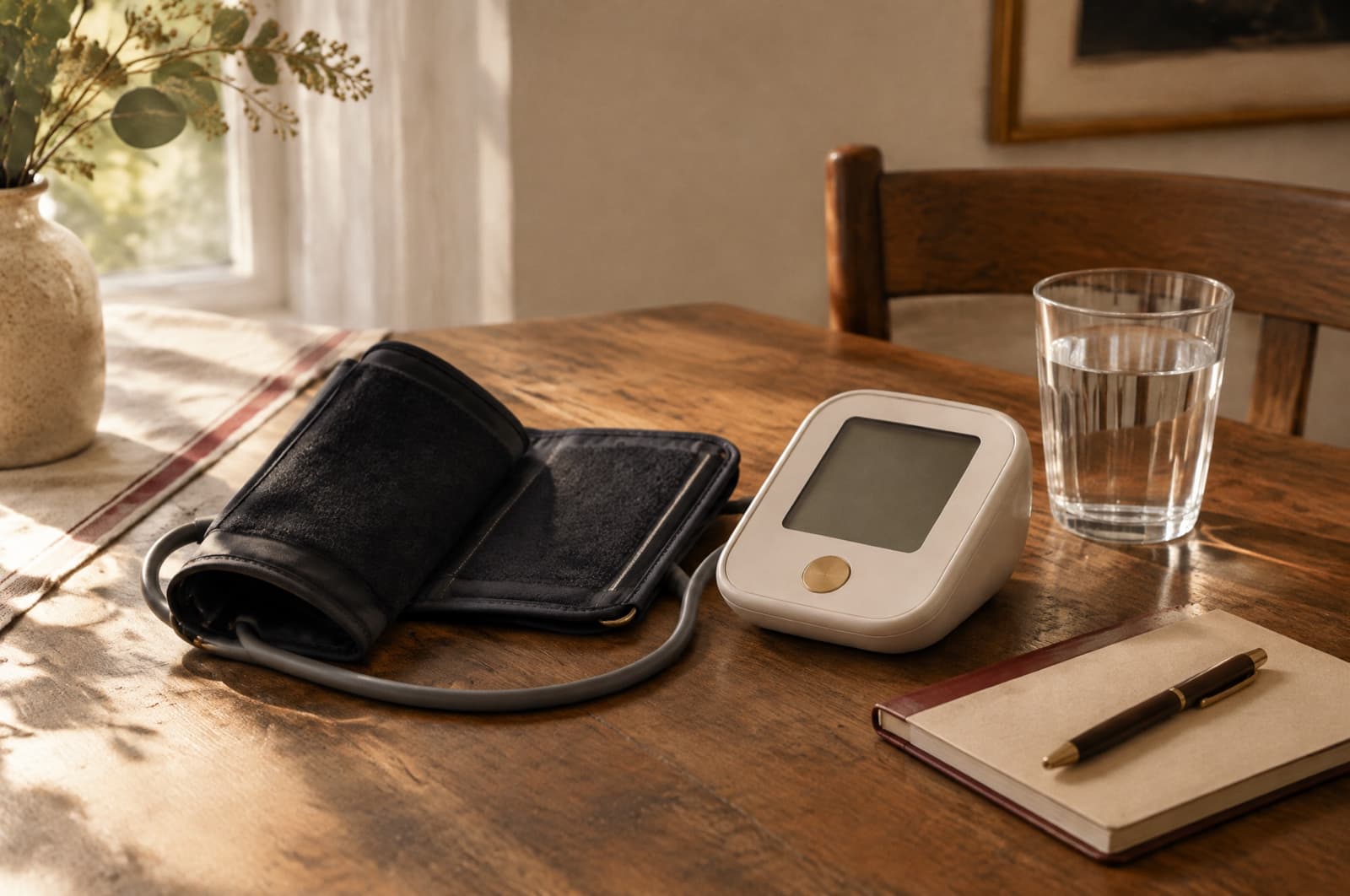
Pharmacy machines are convenient and often have a cuff sized wrong for the arm. If you are checking regularly, a home monitor with the correct cuff size is worth the one-time cost.
Many pharmacies, community health events and clinics check at no cost. The local health directory lists who is taking patients, and a free community dental and health day is the kind of event where this gets caught.
And when you are in the room, ask whether any calculation about you uses a race adjustment, because cardiac risk is one of the places that has historically happened.
- What is considered high blood pressure?
- Generally, 130 to 139 systolic over 80 to 89 diastolic is stage 1 hypertension, and 140 over 90 or higher is stage 2. Under 120 over 80 is normal. A reading above 180 over 120 with symptoms is a medical emergency.
- How do I measure blood pressure correctly at home?
- Avoid caffeine, smoking and exercise for 30 minutes, empty your bladder, then sit quietly for five full minutes with feet flat, legs uncrossed and back supported. Rest the arm at heart height with the cuff on bare skin, take two readings a minute apart, and track over weeks.
- Does high blood pressure have symptoms?
- Usually none at all until it has already caused damage to the heart, kidneys, eyes or brain. That absence of warning is why it is described as a silent condition and why measuring matters.
- What lowers blood pressure most?
- Reducing sodium, most of which comes from packaged and restaurant food rather than the salt shaker, increasing dietary potassium from beans, greens and sweet potatoes, regular moderate walking, treating poor sleep and sleep apnea, and continuing prescribed medication rather than stopping when the number improves.