§ THE PLUG · 3 MIN READ
Dispute a Credit Error in One Afternoon
Errors on credit reports are common, they cost real money in interest and denials, and disputing one is free. What you will learn: how to find them, how to file, and what to do when the bureau says no.

By Culture
THE SHORT VERSION
Credit report errors are common and disputing them is free. Pull all three reports at annualcreditreport.com, file disputes directly with each bureau in writing with supporting documents, and the bureau generally must investigate within 30 days. If a dispute is rejected, you can add a statement to your file and complain to the Consumer Financial Protection Bureau.
What you will learn: how to find an error on your credit report, how to dispute it for free, what the deadlines are, and what to do when a bureau tells you no.
This matters because a single wrong entry can raise the interest on a car loan by thousands of dollars, or cost you an apartment. And the fix costs nothing but an afternoon.
Go to annualcreditreport.com, the site set up under federal law. Free, weekly, all three bureaus. Not the apps that show you a score and upsell you.
Pull all three, because the bureaus do not share data. An error very often appears on one and not the others, and the one you never check is the one a lender pulls.
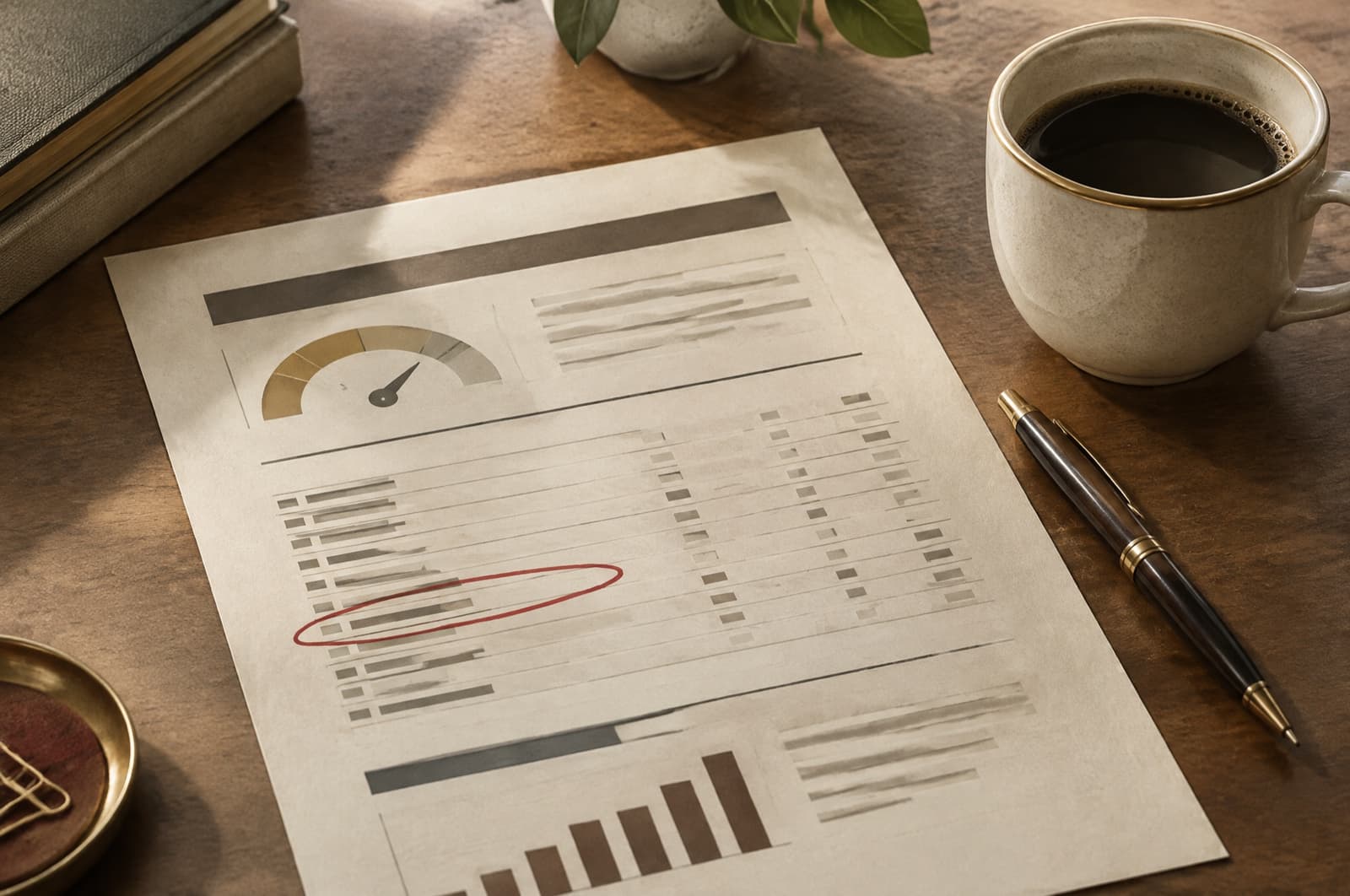
Work through a checklist rather than skimming:
File with the bureau online, which is fastest, and describe the error plainly: what is wrong, what is correct, and what you are attaching.
Then do the part most people skip: dispute directly with the company that reported it as well. Under federal law the furnisher also has obligations to investigate, and fixing it at the source stops it reappearing on the next update.
Attach documents. A payment confirmation, a bank statement, a letter showing the account was closed. A dispute with evidence behaves very differently from an assertion.
The bureau generally has 30 days to investigate. Unverifiable information must be removed.
“The system is not designed to be easy. It is designed to be finished by whoever does not stop.”
Freeze all three reports while you have the logins open. It is free, it takes fifteen minutes, and it prevents the next error from being an account somebody else opened.
Then make the file work for you: rent and utilities can now count toward a mortgage score, and this is what the score is actually measuring.
- How do I dispute a credit report error?
- File online with the bureau showing the error, describing what is wrong and what is correct, and attach supporting documents. Also dispute directly with the company that reported the information, because under federal law the furnisher has its own obligation to investigate. The bureau generally has 30 days.
- Does disputing a credit report cost money?
- No. Pulling your reports at annualcreditreport.com and disputing errors are both free. Any company charging to dispute errors is selling you something you can do yourself.
- What if the credit bureau rejects my dispute?
- Ask for the method of verification, meaning how they confirmed it and who they contacted. File again with stronger evidence, add a consumer statement of up to 100 words to your file, and complain to the Consumer Financial Protection Bureau at consumerfinance.gov, which is where stalled disputes tend to move.
- Why pull all three credit reports?
- Because the bureaus do not share data, so an error commonly appears on one report and not the others. The report you never check is often the one a particular lender pulls.